
For a rental operator or dealer, a worn battery and a vehicle ready for retirement are two different entries in the service log. The decision turns on structural condition, the exact spares available for that model and what it will cost to put the bike back into service.
Short answer: An electric bike can stay in service through several component replacements if its frame and fork are sound, the repair can be completed safely and suitable parts remain available. An older European waste study used 5–7 years as a planning estimate. For a fleet budget, use the odometer readings, repair costs and days out of service for your own vehicles. Compare those records by model and duty cycle before setting a replacement date.
What does a 5–7-year lifespan estimate actually mean?
The 2013 WEEE scope review, on page 39, used an estimated product life to assess waste impacts. It did not establish a universal retirement age. Its age and purpose matter: it is a historical planning reference, not evidence that a particular bike will fail in its seventh year.
For a purchasing decision, separate calendar age from use. As an illustrative calculation, riding 20 km on 200 days means 4,000 km per year; riding 10 km on 100 days means 1,000 km. After five years those bikes have covered 20,000 km and 5,000 km respectively. Those figures are not predicted lifespans. They show why an age alone cannot describe wear.
Does a worn battery mean the whole bike needs replacing?
No. Reduced battery capacity can make a familiar journey harder without making the frame, wheels or drivetrain unusable. First establish whether the problem is battery wear rather than a charging fault, changed riding conditions or another electrical issue. Our battery lifespan guide explains that distinction in more detail.
If the rest of the bike is sound, a compatible replacement battery may restore practical usefulness. Compatibility includes the electrical system, connectors, mounting and required communication—not just a matching voltage printed on a label. Obtain the correct replacement specification before committing to the repair. Replacing a battery does not reset the age or condition of the rest of the bicycle.
Which parts should you expect to maintain or replace?
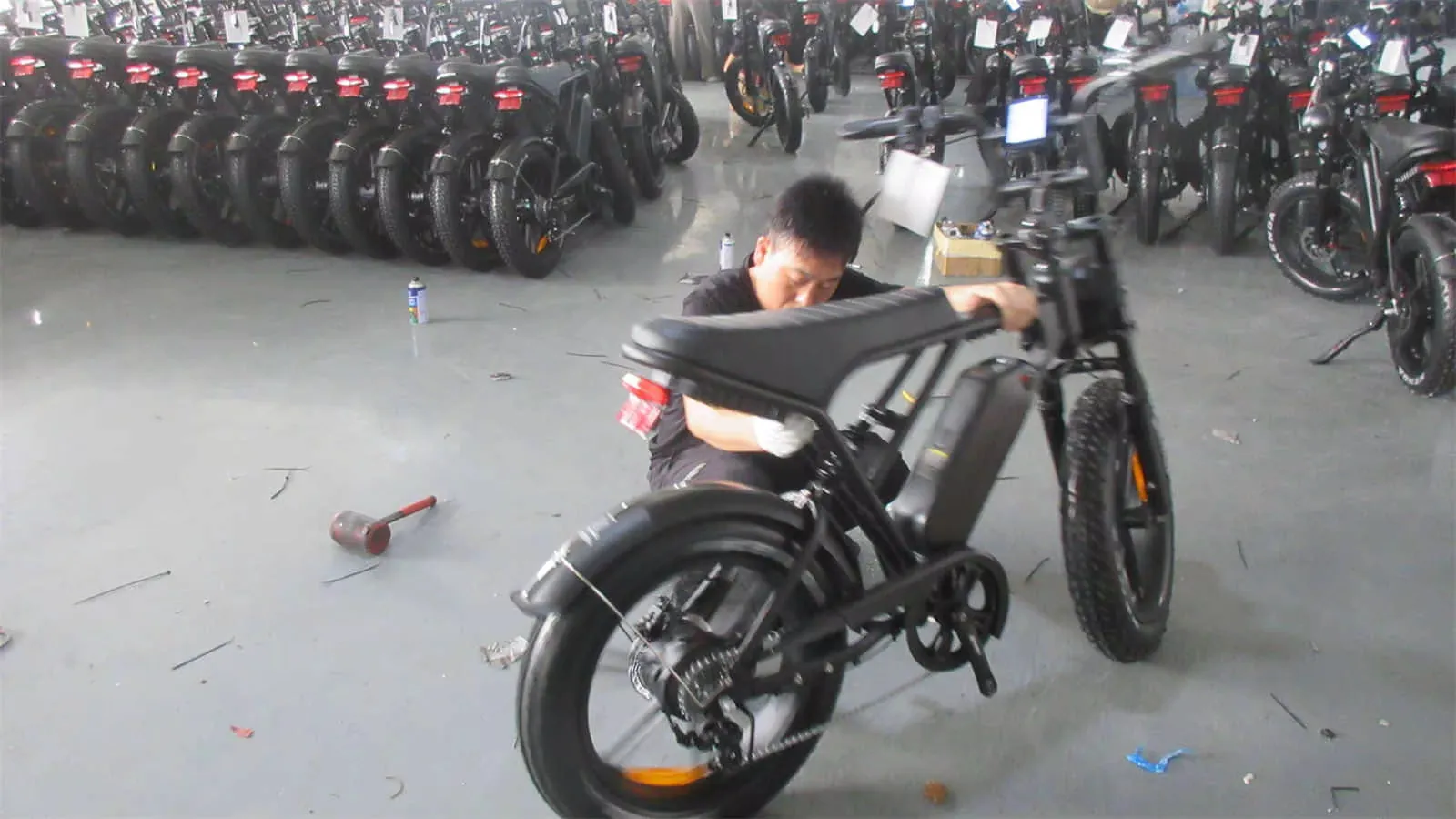
- Tires, brake pads and drivetrain wear parts: inspect and replace according to their condition and the relevant component instructions. Their replacement is normal maintenance, not proof that the whole bike has reached the end of its life.
- Battery and electrical components: diagnose the fault and identify the exact system before ordering parts. A motor problem and a controller or connection problem can require different repairs.
- Frame, fork and folding joints: suspected damage or abnormal movement needs an appropriate inspection. A functioning motor is not evidence that the bicycle is structurally safe.
There is no useful universal replacement mileage for every component across every rider and configuration. Road grit, load, impacts, storage and maintenance all change the picture. Keep a record of distance, servicing, faults and replaced parts so the next decision is based on the bike’s history.
When is repair more sensible than replacing the bike?
Use three concrete checks before deciding:
- Condition: establish whether the frame, fork, wheels and brakes can be returned to safe service. Resolve structural concerns before spending on an electrical upgrade.
- Repair scope: identify the fault, the compatible replacement, labor and likely downtime. A battery quote alone is incomplete if the drivetrain and brakes also need work.
- Use after repair: check whether the repaired bike will still meet your route, carrying and storage needs. Restoring its original condition will not change a model that no longer suits those needs.
On the repair order, record the vehicle ID, distance, fault, confirmed part number, parts and labor quote, and expected days off the road. Compare that figure with the cost of returning a suitable replacement vehicle to the same route. If structural damage is suspected, withdraw the bike pending inspection. If the structure is sound and only the battery is in question, start with the replacement battery compatibility checks.
Reconsider the whole bike when structural damage prevents a safe repair, essential compatible parts cannot be obtained, or several major repairs leave you with a bike that no longer meets your needs. For example, a diagnosed battery fault on an otherwise serviceable bike is a different decision from a battery fault combined with unresolved frame damage. Treat these as decision examples, not assessments of a specific bicycle. There is no universal percentage of purchase price that settles this decision: labor, downtime and the remaining condition of the bike also matter.
Parts support is separate from physical durability. For example, Bosch describes a general spare-parts supply period of at least six years after its final delivery to bicycle manufacturers. That is a Bosch-specific support policy, not a six-year lifespan guarantee and not a BG EBIKE parts-supply commitment. For your order, confirm the replacement parts and support arrangements against the quoted configuration.
Models to compare
Compare the maintenance requirements you would take on, rather than assigning an unsupported lifespan ranking to these bikes. The following are listed product specifications; confirm the version supplied against the quotation.
26 Inch Electric Mountain Bike
Listed with 26 × 2.125 tires, a Shimano 7-speed drivetrain and a 36V 11Ah battery. For long-term ownership, identify the exact tire, tube, drivetrain and battery replacement specifications. The wheel size and number of gears alone do not establish how long those parts will last.
20 Inch Folding Electric Bike
Listed with 20 × 2.125 tires and 48V battery options from 10Ah to 25Ah. The folding mechanism adds a specific inspection point: correct latch operation and any developing play. Confirm the inspection instructions and replacement latch hardware for the quoted version before building a service plan.
20 Inch Folding Fat Tire Electric Bike
Listed with 20 × 4.0 tires, a Shimano 7-speed drivetrain and 48V battery options from 10Ah to 20Ah. Its tire width requires a different replacement-parts selection from the narrower 20-inch model. Check tire and tube compatibility as well as folding-joint service needs; do not assume every 20-inch spare fits both bikes.
Browse the electric bike range to compare configurations. For distributors, agree the parts list for the actual order rather than stocking replacements from the model name alone.
For a mixed fleet order, identify the spare parts for each model when reviewing the wholesale terms. Keep the approved configuration, delivery record and inspection and warranty terms with the vehicle’s service history.
Frequently asked questions
Is a warranty period the same as an e-bike’s lifespan?
No. A warranty describes the supplier’s contractual coverage, while useful lifespan describes how long a bike remains safe and practical to use. A bike may remain serviceable after coverage ends, and a covered fault may still require repair during ownership. Review the written terms for the quoted configuration and keep purchase and service records; do not treat the warranty duration as a predicted failure date.
Is a low-mileage used electric bike always a better choice?
No. Low mileage does not reveal storage conditions, crash history, battery condition or whether compatible replacements remain available. Ask for the service history and exact electrical-system identification, then arrange a suitable inspection. Compare the complete bike’s condition with the journeys you need it to do. A small odometer reading is useful context, but it cannot establish remaining service life on its own.
Should a dealer stock spare parts for every battery option?
Base stock on the configurations actually ordered and the agreed service plan, rather than buying every advertised option. Record each battery’s identification, mounting and electrical requirements alongside the compatible charger and other system components. Confirm replacements before ordering them, and consider storage requirements and expected demand. A larger advertised capacity is not automatically a compatible substitute for the original pack.
Planning a model range for long-term ownership? Send us the models and configurations you are considering so we can discuss the corresponding parts requirements. MOQ is flexible by model, with mixed models available, and we reply within 24 hours on working days.