
Short answer: When an e-bike throttle stops responding, ask the rider whether pedal assist still worked at the time and what the display showed. Then check the approved starting procedure for that exact vehicle. A throttle that has never worked from a standstill belongs on a different service ticket from one that stopped halfway through yesterday’s shift.
Keep the bike out of service if the control sticks, the vehicle drives unexpectedly, or wiring is visibly damaged. Switch it off once safely stopped. Take the rider’s account and refer the vehicle to a qualified technician. An existing photo can support the ticket. The shop can proceed without asking the rider to repeat the fault.
Which words on the repair ticket change the next step?
Record the exact vehicle version and the last time the throttle worked. For a bike equipped with pedal assist (PAS), ask what happened when the rider pedaled during the same incident. On a throttle-only vehicle, leave that field marked “not fitted.” Use “unknown” when the rider did not try it.
| Rider’s report | What to capture | Where the ticket goes |
|---|---|---|
| “It has never pulled away from a stop.” | First use or an established fault? Record the selected assist mode and any model-specific starting condition in the delivery notes. | Check the order specification and handbook. If the behavior matches both, explain it at handover. If the bike differs from the approved sample, flag the configuration for review. |
| “Pedaling still gave assistance, but the throttle stopped responding.” | Record the mode, whether the display stayed on and whether the same throttle had worked in that mode before. Note any recent grip, display or controller work. | Send to the technician handling the throttle control, its connection and the configured input. Working PAS shows the drive provided assistance at that moment; the failed part still needs identifying. |
| “The screen stayed on, but both throttle and pedal assist stopped.” | Copy the complete message or icon. If the system displays brake status, record whether it still indicated braking after the levers were released. | Leave the brake cutoffs connected and request a drive-system diagnosis. Give the technician the exact display/controller reference so they can interpret the indication against the correct manual. |
| “The display went dark when the assist stopped.” | Did the display go blank, restart or show an error first? Record the last visible battery indication and what the rider was doing. | Send the loss-of-power report with the throttle complaint. A replacement hand control would leave the display shutdown unexplained. |
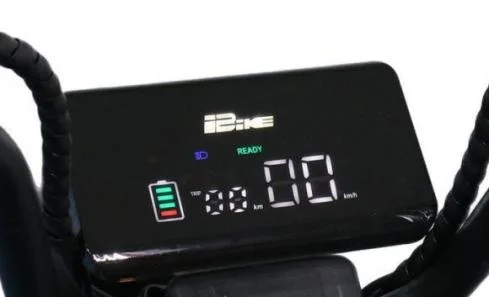
Did the throttle ever work under the same conditions?
For a complaint at delivery, start with the build sheet. Confirm that a drive throttle was specified, identify the fitted control, then find the instructions for that configuration. A right-hand switch or a display with several assist levels is insufficient evidence of a throttle that can start the motor from rest. If the customer says the same bike used to start in that mode, record when its behavior changed.
Grin’s Cycle Analyst V3.1 illustrates why the distinction matters. On systems fitted with this component, a configured minimum speed can affect when power becomes available. Its diagnostics can also show the incoming throttle signal separately from the output sent to the motor controller. A service shop working with that unit can use those two readings to narrow its investigation. Other systems have their own indications. For an order that is still at the sample stage, use the pedal-assist and throttle comparison to record the expected response before delivery. See sections 4.2 and 6.6 of the Grin Cycle Analyst V3.1 manual.
What evidence does the distributor need from the shop?
Keep the rider’s observation separate from the technician’s finding. “The display stayed on, and pedaling still gave assistance while the throttle was unresponsive” tells the distributor something they can investigate. “Needs a new throttle” leaves out which function failed and how the shop reached that conclusion. If the two observations came from different rides, record the PAS response during the fault as unknown.
- Vehicle and order. Order reference, model, vehicle identifier and the recorded control configuration. Include the display or controller model from an accessible label, if available.
- Last normal use and first occurrence. At handover, after a repair, or during a shift? Include the selected mode, whether the bike was moving, throttle response, PAS response and display behavior.
- Evidence and vehicle status. Attach a readable photo of any code and a photo showing the fitted control in position. State whether the bike is out of service, awaiting a part identification, or awaiting technical diagnosis.
For a fleet, give each affected unit its own identifier and observation. Group the records by order and fitted configuration. This lets the distributor compare the units without classifying an entire batch from one rider’s report. BG EBIKE’s warranty and service procedure accepts the order reference, model, symptoms and photos or a short video.
When is the evidence strong enough to request a part?
Once a technician identifies the affected assembly, send the model/version, original reference, photos and quantity. A BG EBIKE example is the LHG-ECO Lithium right combination switch, catalog reference 01.04.025.007. That reference identifies a right-hand switch for a specific vehicle. Confirm its functions, connector and included grip or cables against the fitted assembly before using it on a parts request.
Where the technician identifies a separate thumb lever or twist-grip throttle, use the throttle replacement and assembly matching guide to prepare the order. If the fault is still open, use the service ticket above to send BG EBIKE the case details and say which observation needs checking.
Dealer questions about unresponsive e-bike throttles
The rider saw an error code only once. Should we wait for it to return?
Open the ticket with what you have. Write down the exact code if the rider remembers it, label it “rider reported,” and record the display model. If they recall only a symbol, describe that symbol. A technician can check its meaning for the fitted system without sending the rider out to recreate it.
What if the throttle is stiff or the bike keeps pulling after release?
Take the bike out of service and refer it for inspection. For example, Lekkie specifies that its Pacemaker twist grip must move freely and return to its rest position when released. Ask what happened during the incident. Was the rider still pedaling with PAS active, or was the bike simply coasting? Did the control stick, or did it return while the motor continued to drive unexpectedly? A rolling wheel alone cannot distinguish those cases. If the control stuck or unexpected drive continued, keep the bike out of service without trying to reproduce it. See the Lekkie Pacemaker safety instructions.
Can our shop borrow a visually identical throttle from its parts bin to confirm the fault?
Have the technician verify the part reference and electrical compatibility first. Lekkie’s guide notes that connectors with the same pin count can use different wire assignments. Send photos of both labels to the supplier and leave the unverified part unplugged. Keep the original assembly with the case until the replacement specification is confirmed.