
A shorter winter ride does not, by itself, prove that an e-bike battery has worn out. Cold conditions can affect battery performance, while distance also depends on how and where the bicycle is ridden. For dealers handling a winter range complaint, the useful first distinction is between a change in riding conditions and a measured loss of battery capacity.
Short answer: A shorter cold-weather range does not by itself prove permanent battery wear. In an illustrative comparison, 30 km in winter after 50 km in mild weather is 60% of the distance, not a measurement of 60% battery health. Dealers should separate changed route and temperature conditions from a capacity assessment. For a BG EBIKE sourcing inquiry, include the model, battery version and seasonal route requirements so the quoted configuration can be evaluated against the intended use.
This guide concerns lithium-ion e-bike batteries. It explains how to discuss e-bike battery range in cold weather without promising a fixed winter distance or dismissing a possible fault.
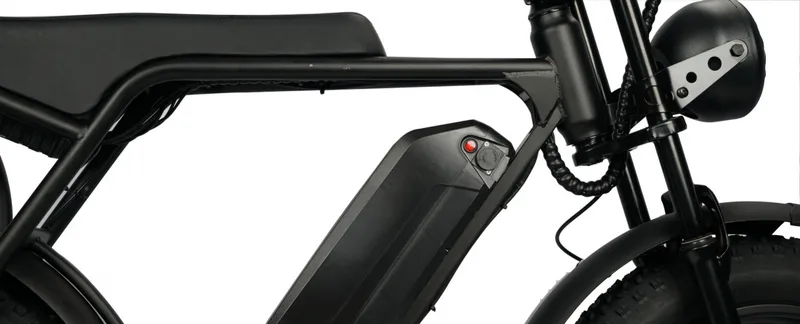
How do cold-weather performance and battery ageing differ?
In its battery guidance, Bosch explains that cold weather generally reduces performance. It separately describes ageing through use and time, and a dealer test for currently available capacity. These are different kinds of information: a cold ride reports performance in those conditions; a capacity assessment investigates the battery using an appropriate procedure.
A concrete manufacturer example appears in the SHIMANO Gen.2 battery dealer manual, printed page 7. It describes shorter full-charge travel after low-temperature charging, quicker consumption during cold use, and recovery at normal temperature. That product-specific explanation supports the distinction between a temporary temperature effect and lasting deterioration. It does not establish a universal temperature threshold or prove that every winter complaint is harmless.
| Information available | What it can tell a dealer |
|---|---|
| Distance from one ride | How far that bicycle travelled under the recorded conditions. It does not isolate the battery from the route, load or assistance setting. |
| Comparison with an earlier ride | Whether the reported distance changed. The explanation remains uncertain when the conditions differ. |
| Battery capacity assessment | A capacity result under the stated test procedure. Its reference value, conditions and interpretation still matter. |
Why a 30 km ride after a 50 km ride does not mean 60% battery health
Consider an illustrative example, not a BG EBIKE test: a customer reports 50 km in mild weather and 30 km during winter. The calculation 30 ÷ 50 = 60% describes the ratio of the two reported distances. It does not measure remaining battery capacity or establish a state-of-health value.
The comparison has changed temperature and may also have changed the route, assistance level, speed or carried load. A distance ratio cannot separate those influences. Even if both rides began with a full-charge indication, that indication does not turn them into a controlled capacity test.
Calling this “40% permanent capacity loss” would therefore go beyond the evidence. Calling it “only the cold” would also go beyond the evidence. The useful finding is narrower: reported winter distance is lower, and the reason needs to be assessed.
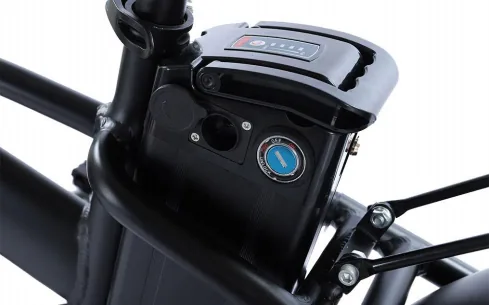
What makes a winter range report useful?
Keep the original observation separate from the diagnosis. “Range fell after the weather changed” is an observation. “The battery has failed” is a conclusion that needs further support.
For a useful service record, identify the bicycle and battery version, then record the reported distance, date, approximate outdoor temperature, route, load, assistance setting, starting charge indication and any displayed errors. Where available, include the earlier ride used for comparison and note which conditions changed. An outdoor temperature reading provides context; it is not a measurement of the battery’s internal temperature.
For future routine evaluations, comparable routes and settings make the records more informative. Do not ask a customer to ride to shutdown, deliberately chill a battery or reproduce an unsafe condition to obtain a comparison. A persistent unexplained reduction, an error or visible damage should go through the relevant service procedure rather than be dismissed as seasonal behaviour.
If a capacity assessment is needed, use the procedure and qualified service support appropriate to that battery system. Bosch’s CapacityTester is specific to Bosch batteries; the suitable test method and service route depend on the system fitted to the bicycle. For documenting a supplier case, see our dealer warranty documentation guide.
Winter riding, charging and storage need separate instructions
A permitted riding temperature is not automatically a permitted charging temperature. Likewise, advice for long-term stock storage does not define a winter route’s achievable distance. Use the instructions for the actual bicycle, battery and approved charger together; do not transfer another manufacturer’s limits to a different pack.
Do not heat or open a battery to investigate reduced range. SHIMANO’s manual prohibits heating and unauthorised disassembly and instructs users to follow the specified charging conditions. Dealers managing unsold bicycles can keep the separate battery storage charge guide with their stock records.
Battery version and charger change the quote, so see what drives e-bike and scooter wholesale prices, and how lithium batteries are packed and documented in export packaging and shipping.
Frequently asked questions
These answers help dealers document winter range complaints and specify the correct battery configuration.
Does shorter winter range prove an e-bike battery needs replacement?
No. Distance alone cannot distinguish temperature effects from battery ageing, route changes, load or assistance settings. Record the battery version and comparable riding conditions before recommending a replacement. If the reduction persists or the vehicle reports a fault, use the appropriate service procedure and qualified support rather than treating a distance ratio as a battery-health measurement.
What should a dealer record when a customer reports reduced winter range?
Record the model, battery identification, reported distance, approximate temperature, route, load, assistance setting, starting charge indication and any error messages. Keep the earlier comparison ride alongside those observations and note what changed. This gives the service team a usable record without asking the customer to ride to shutdown or reproduce an unsafe condition.
Can a supplier’s riding-temperature limit be used as a charging limit?
No. Riding, charging and storage limits are separate specifications and must come from the instructions for the actual battery system. A permitted discharge temperature does not establish a permitted charging temperature. Dealers should retain the relevant battery and charger instructions with the supplied configuration and avoid transferring another manufacturer’s limits to an unverified pack.
Turn seasonal feedback into a better purchasing brief
For an importer selecting a dealer range, the practical question is whether the proposed configuration suits the intended routes and seasonal use. An advertised distance alone cannot settle that question. Include the intended market, typical winter conditions, required route distance, load and expected assistance use in the sample brief. Evaluate the offered battery version rather than assuming that a larger catalogue figure guarantees the required winter trip.
Keep supplier range figures and documented sample observations separate, as explained in our guide to comparing e-bike range claims. This gives sales staff a clearer basis for discussing expectations without inventing a universal winter range reduction.
Planning an e-bike order for a market with cold seasons? Explore the electric bike range, then send a sourcing inquiry with your shortlisted model, destination market, estimated quantity and seasonal route requirements. For an existing vehicle’s service issue, include its model and battery identification so the request concerns the correct configuration.
Basis of this guide: BG EBIKE’s listed model specifications and the linked Bosch and SHIMANO battery guidance. The distance comparison is an illustrative calculation.