
Electric two-wheeler spare parts planning starts with the vehicles a dealer will support, not a fixed percentage of the vehicle order. Identify the model and version, rank parts by service need and replenishment difficulty, then record an initial quantity and review date. Update the plan as actual repair and maintenance demand becomes available.
Short answer: Plan dealer spare-parts stock by vehicle model, configuration and service demand, then use replenishment time to set a reorder trigger. For example, expected demand of four brake-pad sets during replenishment plus a two-set allowance gives a six-set trigger; these are illustrative planning figures, not a vehicle failure rate. Keep the reorder trigger separate from the quantity you buy. BG EBIKE supplies model-specific parts, which can travel in the same container as the vehicles.
For importers, distributors and private-label brands, this connects vehicle purchasing with after-sales preparation. The aim is a useful stock of correctly identified parts, without filling shelves with components that do not match the vehicles in service. This guide covers bicycle-style e-bikes and seated electric scooters, with checks adapted to each model.
Start with the vehicles your team will support
Build the parts plan around model codes, configuration versions and the number of vehicles expected to enter service. Keep vehicles already in use separate from those awaiting sale. Add the market, customer use and service arrangements so the purchasing team understands which fleet or dealer range each stock line supports.
A distributor supporting several workshops may need a different arrangement from a brand servicing one local fleet. Decide whether parts will sit in a central warehouse, at individual workshops or in both locations. Record who can request and approve replenishment, particularly when more than one workshop uses the same stock.
Keep optional equipment separate from repair spares. A delivery carrier requested for a new vehicle order is an equipment choice. A replacement for an installed carrier belongs to the after-sales parts plan. Neither should be added to every vehicle's allocation by default.
Decide which parts deserve local stock
Assess each part against three questions: is there a credible service need, what happens if it is unavailable, and how difficult is it to replenish? Price alone is not enough. A small component can delay a repair, while an expensive assembly may be better reviewed case by case when demand is uncertain.
Use the following groups to organise the discussion. They are planning categories, not a universal shopping list or a statement about failure rates.
On a small screen, scroll the table horizontally to read all columns.
| Planning group | Examples to review for the actual model | Basis for a stock decision |
|---|---|---|
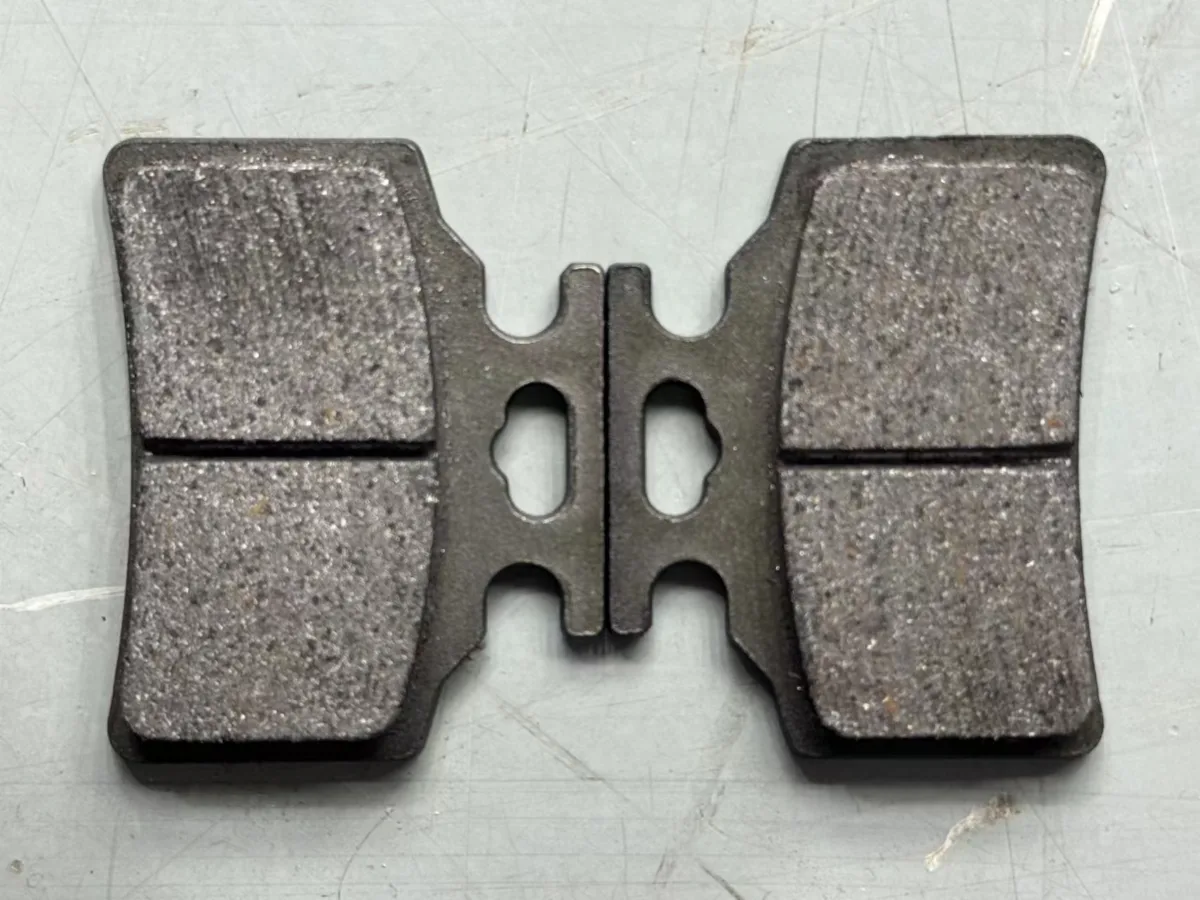
| Maintenance items | Correct brake pads, tyres and other applicable service items | Maintenance requirements, workshop usage and the vehicles covered |
| Parts that can delay a repair | Model-specific switches, locks, lights or approved electrical assemblies | Effect on service turnaround, available alternatives and replenishment time |
| Bulky or version-specific items | Body panels, seats and particular carrier assemblies | Damage history, colour/version match, storage space and order frequency |
| Parts needing individual review | Batteries, controllers or other assemblies requiring a confirmed replacement reference | Diagnosis, technical confirmation, handling requirements and the cost of unused stock |
The same part can move between groups as your evidence improves. A component with little initial demand may become worth stocking after repeated, documented service requests. Conversely, a part bought for a discontinued version may need a different replenishment decision even if similar vehicles remain in the range.
Set an initial quantity when there is no repair history
For a new model, treat the first parts allocation as a documented starting assumption. Use the planned service coverage, available maintenance information, supplier input and replenishment arrangements to propose quantities. Write down what each estimate relies on and when it will be reviewed, rather than presenting an untested ratio as a proven requirement.
Ask the supplier for the exact replacement references, current availability, order quantities or pack sizes, and the expected time to supply the selected items. Include transport and receiving time when considering how long your workshop could be waiting. Keep quoted information dated; do not assume every part shares the vehicle order's schedule.
Before committing to the first allocation:
- Identify the models and versions each item will support.
- Separate existing service commitments from possible future demand.
- Confirm whether a quantity means one piece, a pair, a set or a complete assembly.
- Mark uncertain quantities as provisional and name the person who will review them.
- Set a review date and an earlier review trigger, such as a version change or unexpected service demand.
There is no quantity recommendation in this guide for every hundred vehicles ordered. A percentage without a defined model, time period and demand basis is not a reliable forecast for your business.
Separate the reorder trigger from the order quantity
A reorder point answers when to review or place a replenishment order. The order quantity answers how much to buy. For dealer service stock, use demand for the specific replacement part and the time needed to obtain usable stock. Vehicle sales alone do not measure the rate at which that part will be needed.
Shopify's explanation of reorder points combines demand during replenishment lead time with safety stock. That general planning relationship is useful here, but service-parts demand must come from appropriate records and assumptions rather than retail vehicle sales.
Planning relationship: reorder point = expected part demand during replenishment lead time + the chosen safety allowance.
Illustrative example only: suppose a workshop expects to use four sets of a particular approved brake pad reference during its replenishment period and chooses a two-set allowance. The resulting trigger is six sets. That does not mean ordering six more sets each time, and it does not establish a failure or wear rate for any BG EBIKE vehicle.
Review usable stock, outstanding requirements and confirmed inbound orders before buying again. Keep reserved parts distinct from freely available stock, and do not count rejected items as usable. An inbound order also needs an expected arrival date; it may arrive too late for an urgent job.
For occasional, irregular demand, an average alone can be misleading. Review actual cases and the consequences of waiting, then decide whether to hold stock or order against confirmed need. Revisit the decision when demand, supply time or the supported vehicle population changes.
Keep model versions and replacement references separate
Use a stock record that links each part number to the vehicle versions it has been confirmed to support. Keep revisions separate until an approved substitution has been recorded. Similar appearance, the same vehicle name or a connector that looks alike should not become the basis for merging stock lines.
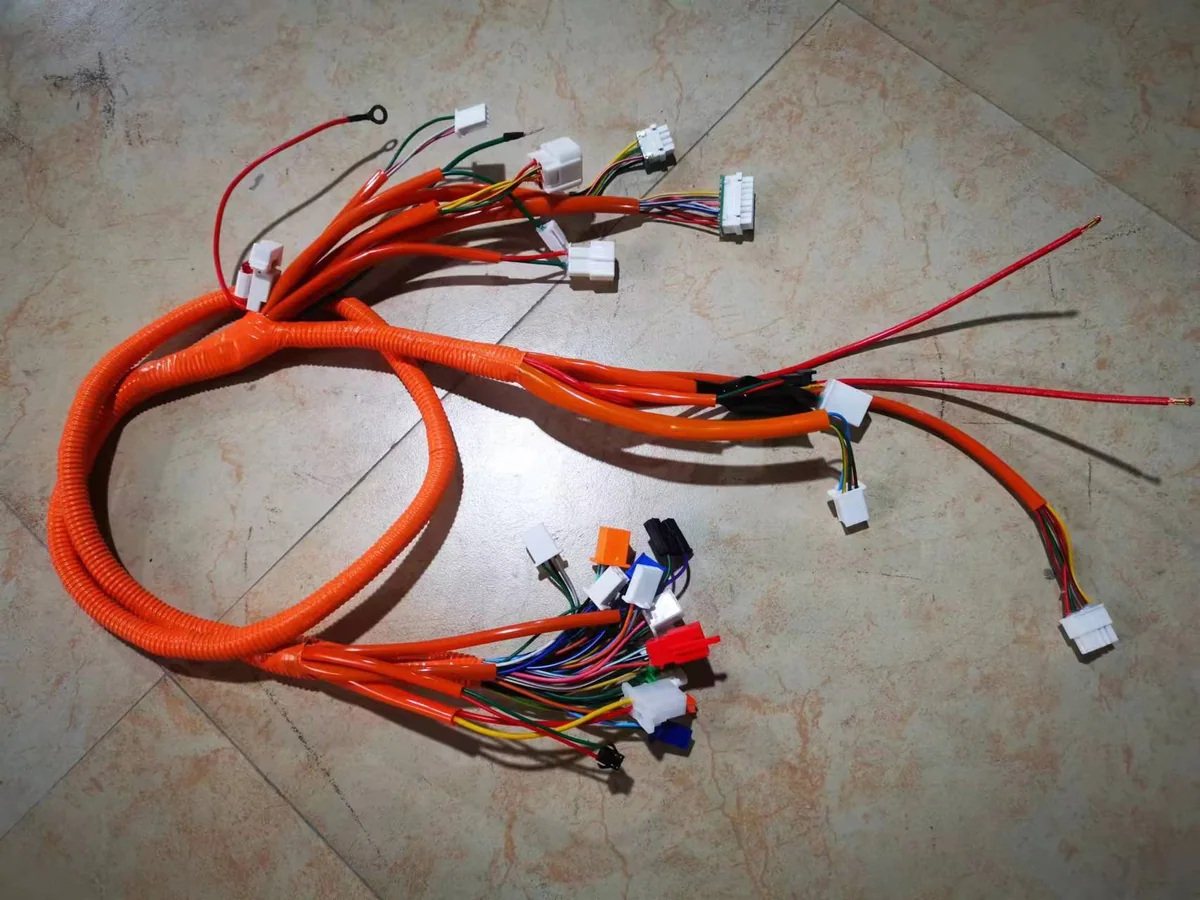
For electrical assemblies, retain the component reference and approved replacement information with the stock record. The harness shown here has several connectors: record the correct harness version rather than grouping visually similar cables under one generic stock code.
When a supplier proposes a replacement reference, record who confirmed it, the affected model versions and any associated requirements. Keep the previous reference in the history so that a workshop can still identify parts used on earlier vehicles. This is stock-record discipline, not an instruction to modify or diagnose electrical systems.
Use a parts planning sheet your workshop can maintain
Keep the planning sheet short enough to update after parts are received, issued or reserved for a job. Record the reason for a quantity as well as the quantity itself. This lets purchasing distinguish a considered replenishment request from an old estimate that has simply been copied into another order.
On a small screen, scroll the table horizontally to read all columns.
| Field | What to record | Why it matters |
|---|---|---|
| Vehicle coverage | Model, version, market and service population | Defines which vehicles the line supports |
| Part identity | Part number, revision and approved replacement reference | Keeps similar-looking items distinct |
| Quantity unit | Piece, pair, set or assembly | Prevents inconsistent counts and quotations |
| Demand basis | Maintenance records, actual issues or a labelled initial assumption | Makes the proposed stock level explainable |
| Initial allocation and trigger | Proposed quantity, review trigger and person responsible | Separates the first purchase from later decisions |
| Stock position | Usable on-hand stock, reservations, outstanding needs and inbound orders | Avoids treating unavailable items as service stock |
| Replenishment | Dated supplier information, pack quantity and expected receipt time | Supports a realistic replenishment decision |
| Review | Review date, changes and supporting notes | Keeps the plan aligned with the current range |
Record why a part was issued: scheduled maintenance, a diagnosed fault, accidental damage or another documented reason. Do not treat every issue as a manufacturing defect. Separate warranty administration from physical stock movements, so a pending commercial decision does not obscure what is actually on the shelf.
Wear parts are supplied with our orders as appropriate and vehicles carry a one-year warranty — see quality control and warranty — and parts can ship with the vehicles under our wholesale terms.
Models to compare
Use these model pages to define the vehicle mix before requesting packing, timing or spare-parts details. Keep every configuration on its own inquiry line.
Browse electric bike models and seated electric scooters for the rest of your range.
Frequently asked questions
Should every vehicle order include the same spare-parts package?
No. Match the proposed package to the model mix, local service arrangements and supported vehicles. A shared order format is useful, but identical quantities across different configurations can leave the wrong parts in stock. Ask for a model-specific list and record the basis for the initial quantities.
Can one stock line cover several similar models?
One stock line can cover several models only when compatibility or an approved substitution has been confirmed. Record the part reference, vehicle versions and confirmation date in the parts register. Keep unconfirmed versions separate, even if they look similar, so a workshop does not issue the wrong component when a repair is waiting.
Should expensive electrical parts always be ordered only when needed?
Not automatically. Consider confirmed demand, the effect of waiting, replenishment time, handling requirements and unused-stock risk. A dealer with documented demand may reach a different decision from one launching a new model. Obtain the correct reference and technical confirmation before making the initial stocking decision.
What should an importer send with a first spare-parts inquiry?
Send the intended vehicle models and versions, destination market, estimated vehicle quantities, service arrangements and a list of proposed parts. State the quantity unit and identify estimates that still need discussion. For an existing range, include relevant part references and a summary of actual usage where available.
Discuss a parts plan for your vehicle range
BG EBIKE works with business buyers sourcing electric two-wheelers and model-specific parts. Share your vehicle range, destination market, estimated quantities and proposed after-sales parts list. Include any references or quantities that need review so the discussion can focus on your actual order and service needs.
Use our model-specific parts information and order and after-sales support information to prepare the parts request. Keep proposed service stock separate from optional equipment for a new vehicle order.