
Short answer: Under Regulation (EU) 2023/1542, any sealed traction battery weighing up to 25 kg powering an e-bike, electric scooter or L-category moped is an LMT battery—including both lithium-ion and lead-acid packs. From 18 February 2027, every individual LMT pack placed on the EU market requires pack-level QR coding, a Battery Passport, Article 11 removability/replaceability compliance and Article 14 BMS state-of-health data access.
Most European dealers verify shipping files and vehicle homologation first, then discover too late that battery enclosure design, BMS read-out capability and pack serialization directly affect EU market access. Checking LMT hardware rules at the sample stage avoids costly rework after production.
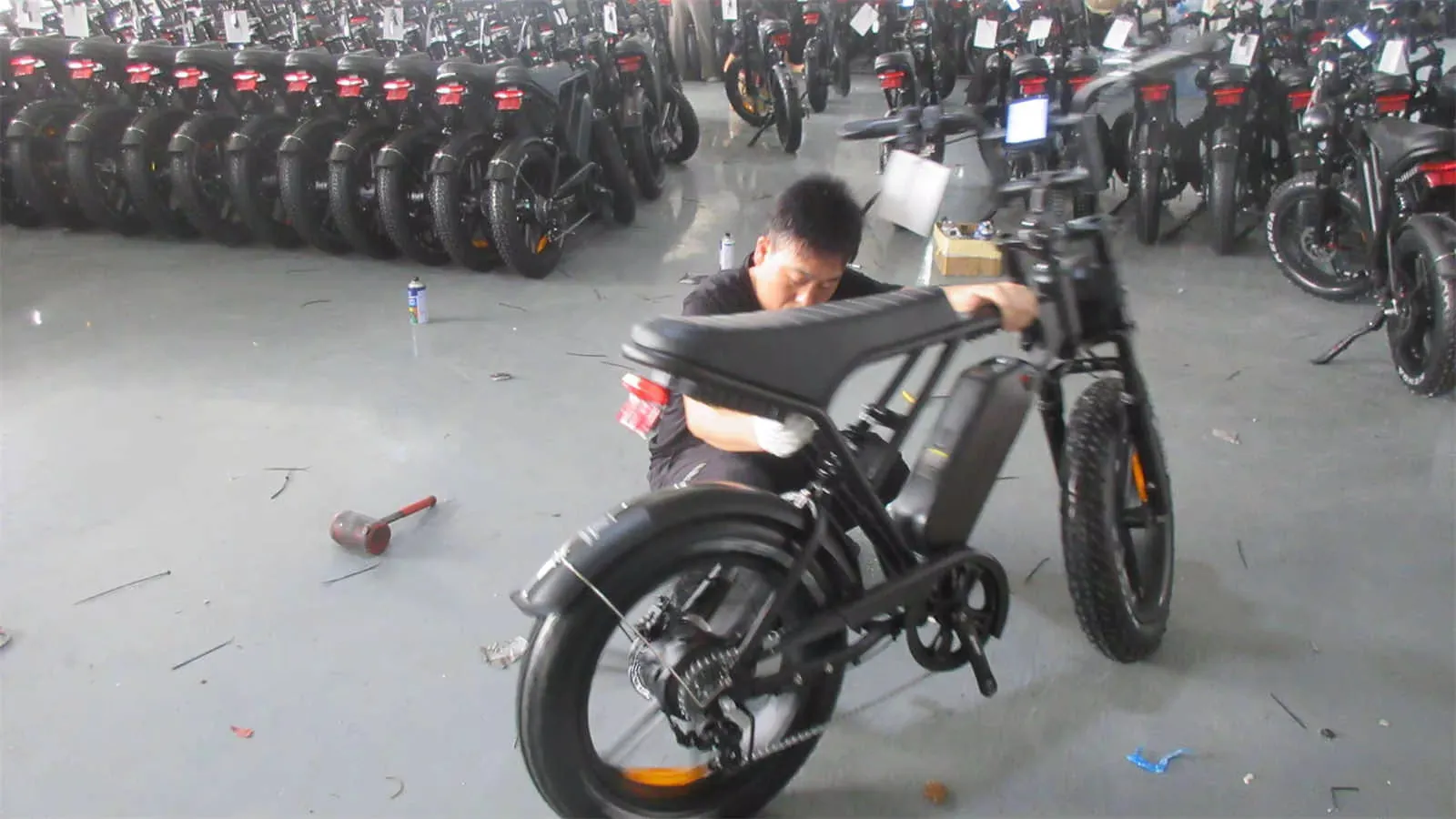
Are lead-acid e-scooter batteries also covered?
Yes. Regulation (EU) 2023/1542 classifies batteries by use and weight, never by chemistry:
- Sealed lead-acid (SLA/VRLA/gel) packs ≤ 25 kg powering seated scooters or light mopeds = LMT battery (QR + Battery Passport mandatory 18 Feb 2027).
- Multi-module lead-acid banks or heavy lithium packs > 25 kg on L-category motorcycles or three-wheelers = EV battery (QR + Battery Passport also mandatory 18 Feb 2027).
Compare pack weight, energy density and dealer stocking differences in our lead-acid vs lithium seated scooter guide.
Does the QR code go on every cell or on the finished battery pack?
QR coding and Battery Passports apply at the individual finished pack level placed on the EU market—not every bare 18650 or 21700 cell inside the casing:
- Unique pack serialization: Each battery pack needs its own ISO/IEC 15459 / EN 18219:2026 unique ID—not one shared model barcode across a container.
- Durable casing placement: Per EN 18220:2026, place the QR where it survives vibration and cleaning and remains scannable without destroying seals.
- Standalone spare packs: Replacement packs ordered separately for dealer after-sales (see electric two-wheeler spare parts) require individual QR codes and passport entries too.
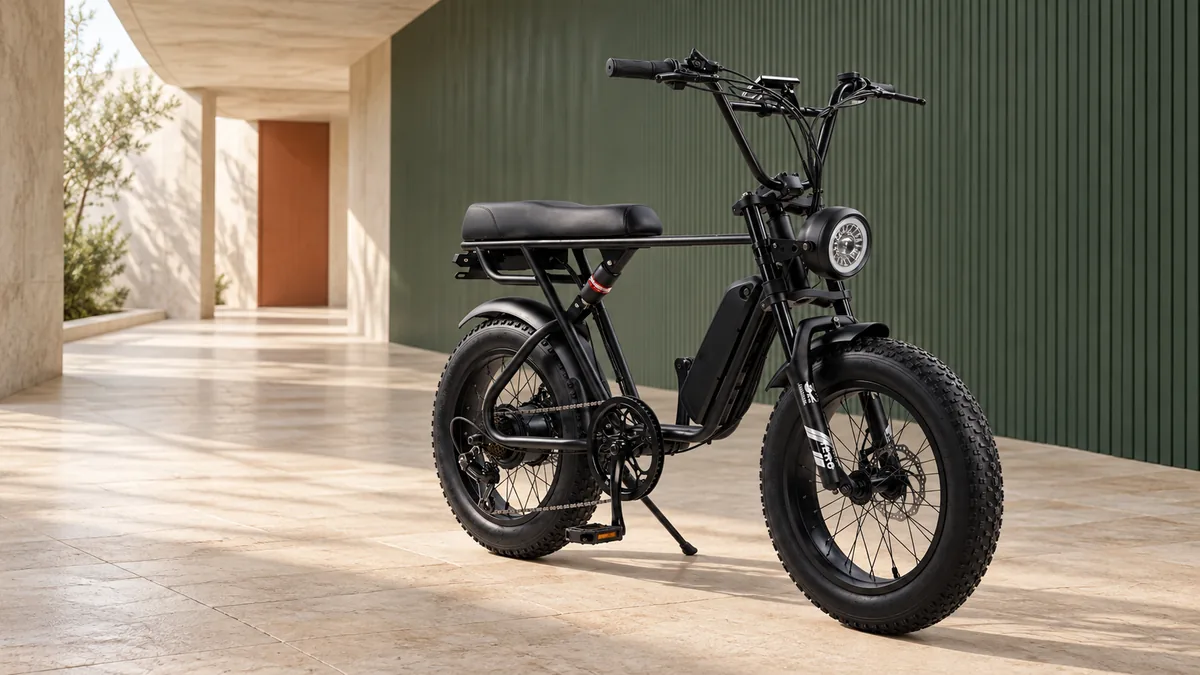
What LMT hardware rules must you check on a sample?
| Clause | Statutory requirement | Sample & quote check |
|---|---|---|
| Art. 11 — Removability & replaceability | LMT packs must be readily removable and replaceable (with spare availability and clear instructions). | Avoid permanently glued/welded packs; verify lockable slide-out or accessible compartments and written removal steps. |
| Art. 13 — Labels & QR | Capacity label, crossed-out bin symbol, CE mark and permanent QR code from 18 Feb 2027. | Confirm physical label area on the pack housing and target country languages. |
| Art. 14 — BMS SoH & lifetime | Up-to-date BMS State of Health (SoH) and expected lifetime accessible in read-only mode. | Ask the upstream pack supplier what cycle, capacity and temp data the BMS logs and how workshops read it. |
| Art. 6 & 17 — Conformity | Restricted substance limits + Annex VIII conformity assessment and EU DoC. | Collect pack conformity files alongside vehicle model documents before loading. |
How do UN38.3/MSDS, EEC/COC and the Battery Passport differ?
| Gate | Documents / records | Checked by | Replaces others? |
|---|---|---|---|
| 1. Sea/air transport safety | UN38.3 Test Summary & MSDS | Carrier, forwarder, China export customs | No — transit only (UN38.3 vs MSDS). |
| 2. Vehicle road legality | EEC/COC (by model) & vehicle CE | Vehicle registration & market authorities | No — vehicle only (EEC/COC models). |
| 3. EU battery market access | National EPR + pack QR + Battery Passport | EU customs (EU CSW-CERTEX) & surveillance | No — mandatory alongside transport & vehicle docs from 18 Feb 2027. |
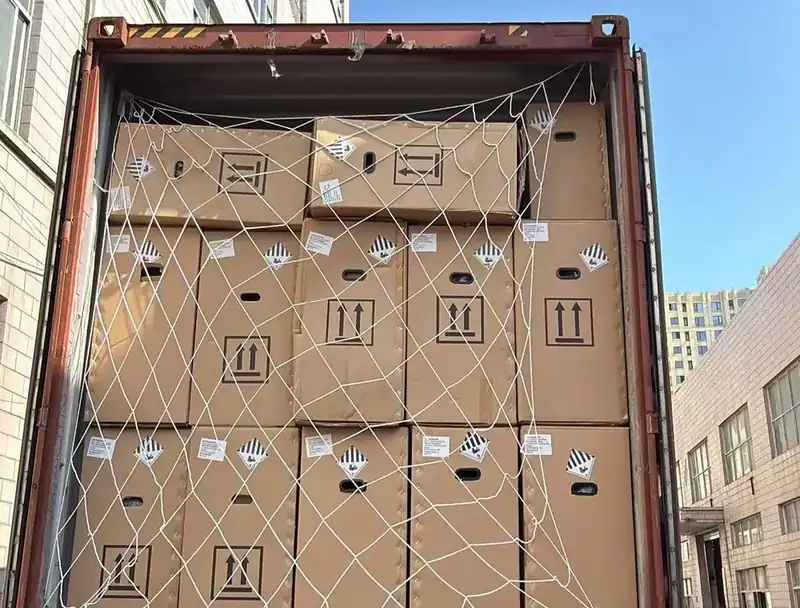
Six-step pre-order checklist for Q4 2026 & Q1 2027 EU containers
- Lock destination EU countries & languages to scope national EPR and multilingual QR pages.
- Classify every SKU’s pack (LMT ≤ 25 kg vs EV > 25 kg) across both lithium and lead-acid models.
- Open your EU DPP Registry account & QSeal (2–6 weeks) and confirm Article 39 supplier data handover in writing.
- Inspect pack removability, BMS logging and QR label space on sample units before bulk tooling/packing.
- Back-calculate 36 days from 18 Feb 2027 for sea freight and customs release (see the 13 January 2027 cutoff).
- Verify QR readability & serial lists before balance payment via your pre-shipment inspection checklist.
At BG EBIKE, we manufacture and assemble electric bikes, seated scooters, motorcycles and tricycles in our own Taizhou factory (flexible MOQ by model, mixed containers allowed). We provide model-specific EEC/COC and CE documents where listed, and MSDS and UN38.3 test summary supplied for lithium battery shipments; we do not print customer logos at the factory. Share your destination EU country and battery checklist early when you request a factory quote, or browse our wholesale electric bikes and seated electric scooters.
Method note: Based on Regulation (EU) 2023/1542 Articles 3, 6, 11, 13, 14, 17, 39 and 77, EC Guidance V3.0 (Oct 2026) and EN 18219/18220:2026 as of November 2026; confirm national rules with your EU compliance adviser.
Read the rest of the series: EU Battery Passport 2027 overview · Importer vs factory responsibility · EU DPP Registry & 71 data fields.
Frequently asked questions
If an e-bike uses two removable 14 kg batteries (28 kg total), is each LMT or EV?
Classification applies per individual battery pack placed on the market: two independent 14 kg sealed packs each weigh under 25 kg (LMT), whereas a single integrated traction pack over 25 kg on an L-category vehicle is EV. Confirm dual-pack architectures with your EU compliance adviser.
Do standard e-bike BMS units automatically log all dynamic Battery Passport fields?
Not always. Dynamic BMS parameters apply where a BMS is used; verify exact cycle-count, remaining-capacity and fault-event logging on sample packs with your upstream battery supplier before bulk orders.
What if I import vehicles without batteries and buy batteries inside the EU?
The EU-based battery supplier first placing finished LMT/EV packs on the EU market holds Article 77(4) responsibility—unless your company assembles cells/modules into packs locally or sells under its own brand, which shifts manufacturer duties to you.