
A UN38.3 test summary and an MSDS or SDS answer different questions. The summary identifies transport-test information for a cell, battery or applicable product. A safety data sheet communicates hazards and precautions. For an e-bike importer, collecting a file with either title is only the beginning: the useful question is whether its contents address the requested evidence and the battery version being ordered.
Short answer: A UN38.3 test summary shows that a lithium cell or battery passed the UN transport tests; an MSDS (SDS) describes its hazards and safe handling. Lithium battery shipments usually need both. Check that each document matches the battery model, voltage, capacity and manufacturer in your order. We supply MSDS and UN38.3 test summary for lithium battery shipments.
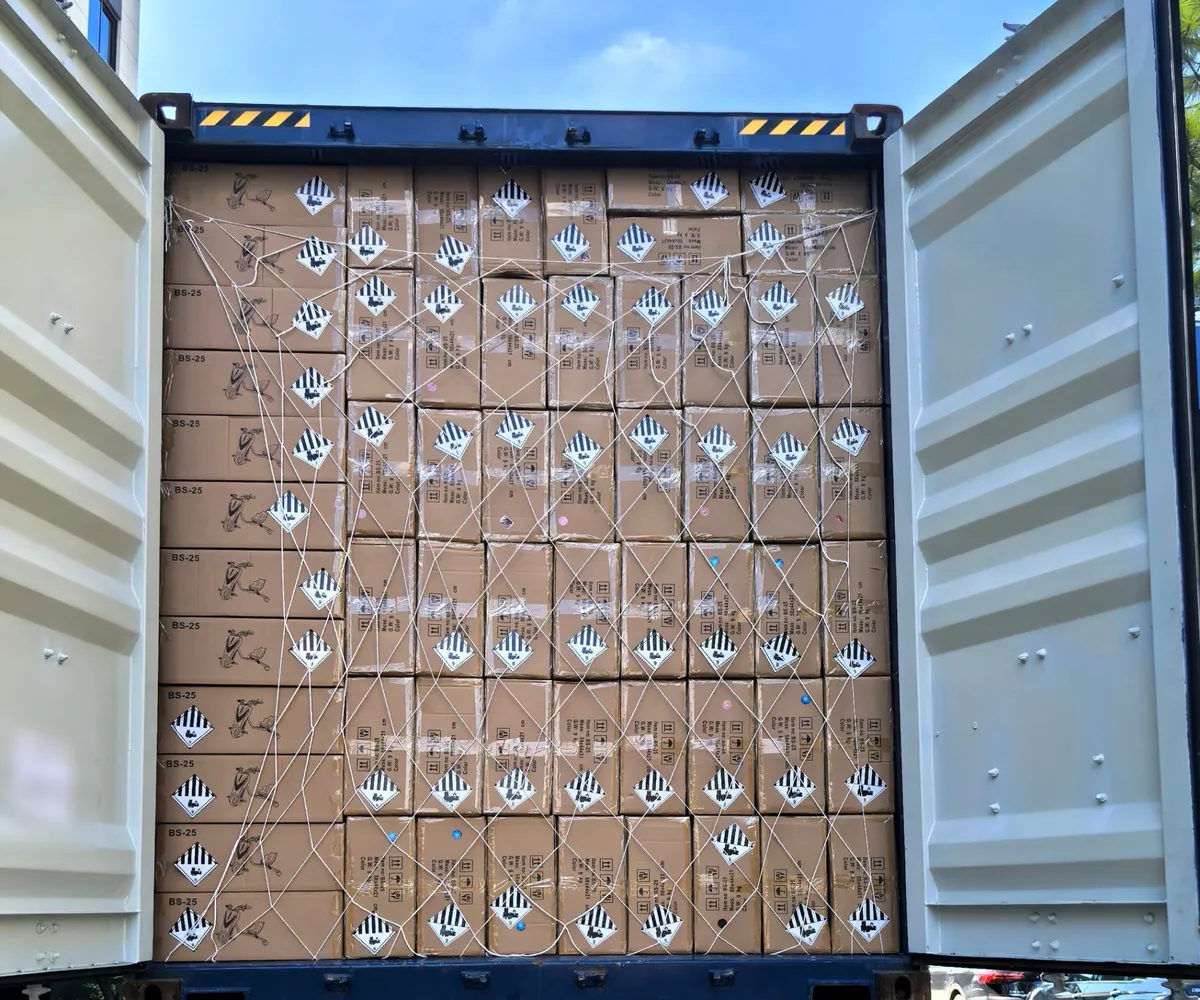
This guide helps buyers read supplier documents. It uses US transport guidance and Canadian hazard-information guidance for the distinctions below; it is not a complete document list for every destination or shipping method.
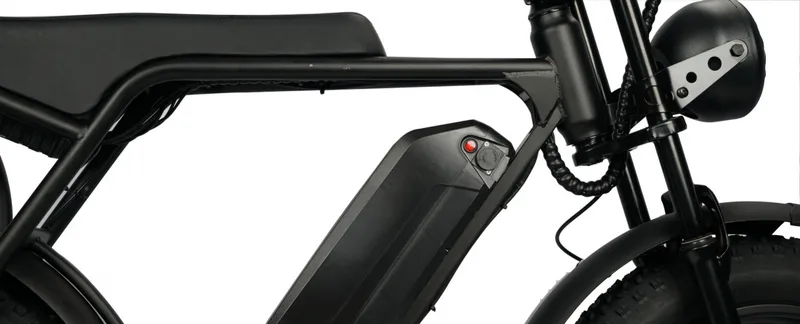
UN38.3 test summary vs MSDS: read the purpose first
MSDS means Material Safety Data Sheet; SDS means Safety Data Sheet. In its WHMIS guidance, the Canadian Centre for Occupational Health and Safety explains that an SDS describes product hazards, safe handling and emergency measures. Its headings include identification, hazard identification, first aid and storage. These sections help readers manage hazards; they are not a substitute for a battery’s transport-test record.
| Document | What to look for |
|---|---|
| SDS / MSDS | Product identity, hazard information and precautions. |
| UN38.3 test summary | Model identity, manufacturer and laboratory information, report reference and test results. |
| Test report | The underlying testing record, distinct from the summary made available downstream. |
The distinction between the testing record and the summary appears in 49 CFR 173.185(a)(2)–(3). The summary requirements include a report number and date, battery description, relevant model identity, tests and results, the applicable manual edition, and responsible-person information. Use the full source when assessing completeness; the short table above is a reading aid.
Three document situations that can mislead a buyer
The following are illustrative purchasing situations, not BG EBIKE test records or customer cases.
1. An SDS includes a sentence saying the battery passed UN38.3
PHMSA’s 2024 test-summary guidance, question 9, explains that a general statement of test compliance does not fulfil the requirement to make the summary available. The same guidance says there is no fixed summary format: required information matters more than the filename.
A useful response is: “Thank you for the SDS. Please also identify where the complete test-summary information for this battery version can be found.” This requests the missing evidence without assuming the supplier must produce a particular PDF layout.
2. The file identifies a cell, while the order specifies a battery pack
A tested cell does not automatically establish the test status of the assembled battery. US 49 CFR 173.185(a)(1) distinguishes battery testing from testing of the cells used to construct it.
In the purchasing record, keep the received cell document and mark the pack-to-document connection as unresolved. Ask the supplier to identify the evidence covering the ordered battery or applicable product model. Do not rename the cell file as a pack report, and do not infer that an unresolved connection proves testing was never performed.
3. One summary lists several battery models
Multiple models are not automatically a defect. PHMSA questions 3 and 4 allow combined summaries when the required information is included, with a report number and test date for each listed cell, battery or product.
Find the entry relevant to your order. If the quotation uses a sales name while the document uses a different identifier, request a written mapping between them. The decision is about traceability, not whether the document contains only one row.
Build one clear connection from the order to the document
For your internal review, keep the quoted vehicle version, its specified battery, the relevant document entry and the outstanding question together. An email containing several attachments is harder to use when nobody has recorded which attachment belongs to which configuration.
For example, if a quotation offers two battery capacities, avoid recording simply “battery documents received”. Record which option each document supports and which option remains unresolved. This prevents a later configuration change from silently inheriting a document review performed for the earlier offer.
You can ask: “For the battery version in this quotation, please identify the corresponding model entry and report reference. If the commercial name differs from the document identifier, please explain the connection.” This is more precise than asking for a generic battery certificate.
What this review does not settle
Do not turn a document-reading exercise into a shipment-release decision. Packaging, the actual shipping arrangement and applicable route requirements still need their own assessment. Likewise, this review does not evaluate the completed vehicle’s market requirements. Coordinate those tasks with the responsible transport and compliance specialists.
PHMSA also distinguishes making a summary available from enclosing it with every shipment; its question 8 allows access through a website or other means. Check the actual booking instructions separately rather than treating that guidance as a complete carrier-document policy.
For checks on the vehicles and packing themselves, continue with our electric two-wheeler pre-shipment inspection guide. Keep document findings and physical inspection findings distinct so each has a clear resolution.