
An e-bike is built around bicycle pedals and an electric drive system. An electric moped is generally intended for motor-powered riding without pedalling. The useful distinction is how the vehicle works, where it can be used and what support it needs, rather than whether it looks like a bicycle or a small motorcycle.
Short answer: An e-bike is a bicycle with pedals and electric assistance; an electric moped is built to be ridden on motor power without pedalling, usually with a seat, footboard and higher speed. The difference affects where it can be ridden, licensing and registration in many markets, and the parts and service it needs.
Mopeds can use petrol or electricity. This guide focuses on electric mopeds versus e-bikes, with practical questions for buyers, importers and dealers selecting a vehicle range.
Moped vs E-Bike: The Quick Comparison
Start with the intended riding experience. Does the customer want to pedal with assistance, or travel under motor power? Then check the actual model’s configuration and local vehicle category. Neither the catalogue name nor the shape of the frame establishes where it can legally be ridden.
| What to compare | E-bike | Electric moped |
|---|---|---|
| Riding experience | Pedalling with electric assistance; some configurations also have a throttle | Motor-powered riding, generally without pedalling |
| Body layout | Often a bicycle frame, saddle and pedals; styles vary | May have a step-through body or motorcycle-style frame |
| Battery access | Check whether the battery is removable and practical to carry | Check the same; a seat or body panel may cover the battery |
| Route access | Depends on the vehicle meeting local bicycle-category rules | Check motor-vehicle requirements and permitted routes |
| Service needs | Pedal drivetrain, brakes, tyres and electrical components | Brakes, tyres, chassis and electrical components; drivetrain varies |
| Range and load | Compare model-specific figures and test conditions | Compare model-specific figures and test conditions |
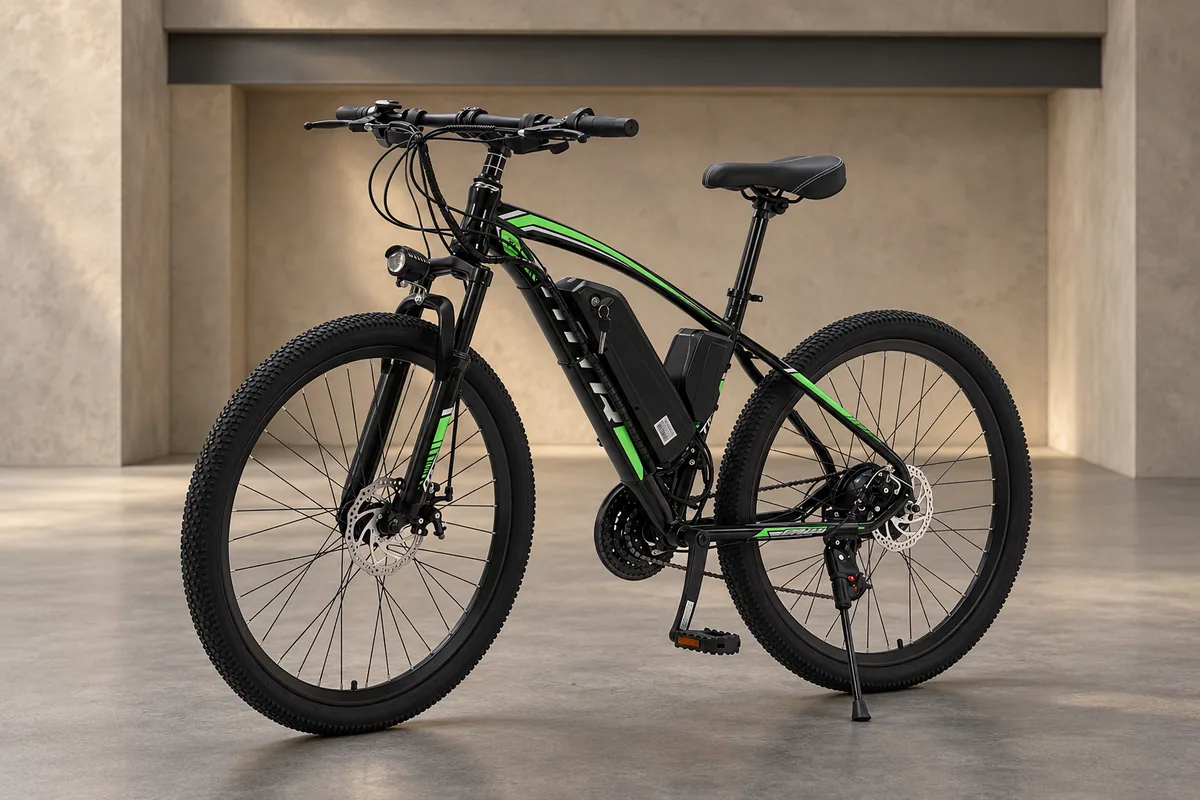
Is a Moped-Style E-Bike the Same as an Electric Moped?
No. “Moped-style” describes an appearance, such as a long saddle, wide tyres or a motorcycle-like frame. It does not settle the vehicle’s legal category. A seated scooter is also a body style, so it should not automatically be treated as a road-approved moped. For the listed moped-style models and the specifications a dealer fixes before ordering, see our moped-style e-bike guide for dealers.
Pedals deserve a closer look. Are they usable for riding, and how does the motor respond when the rider pedals or operates the throttle? A photograph can show that pedals are present, but it cannot establish the drive settings, motor rating or approval status.
For a specific example, UK government guidance uses usable pedals, continuous rated motor output and motor-assisted speed when explaining EAPC requirements. It also sets out approval requirements for certain throttle-operated vehicles. Those rules should not be copied into a worldwide product description. See the UK government’s electric-bike guidance.
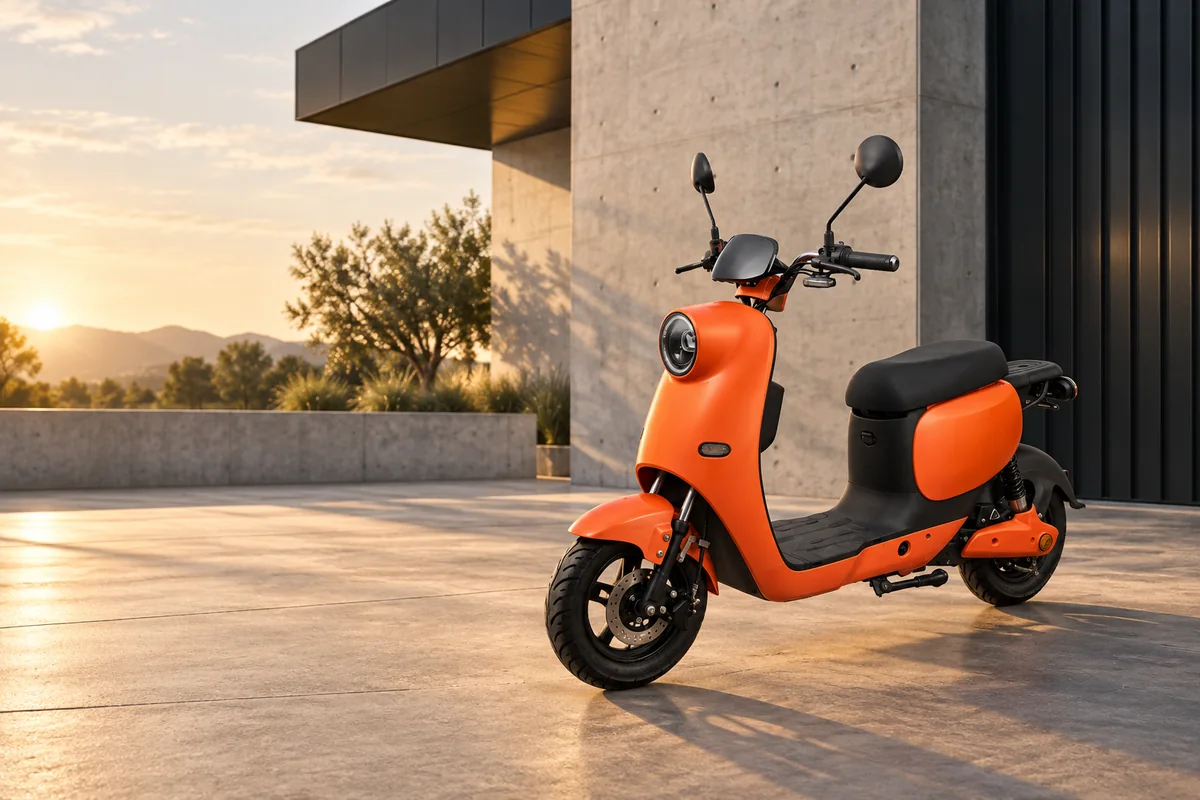
Which Format Fits Your Customers?
For a buyer who wants cycling as part of the journey, begin with a bicycle-style e-bike and assess the pedalling position, frame fit and usable gears. For someone who wants seated, motor-powered travel, begin with the electric-moped options permitted in their market. Test the individual vehicle before treating either format as the better choice.
The daily routine often makes the decision clearer:
- Stairs or indoor storage: assess the complete vehicle weight, lifting space and battery removal. Do not assume every e-bike is easy to carry.
- Frequent stops: try mounting, dismounting, low-speed control and parking with the intended rider.
- Deliveries or luggage: establish the permitted load and carrier mounting arrangement. A long seat or rear rack alone does not prove passenger or cargo capacity.
- Longer journeys: compare range under relevant conditions and plan charging access. Body style does not predict range.
For a dealer, these questions help define a coherent range. A model that is simple to explain, demonstrate and support can be a better fit than one selected only for its appearance or headline power figure.
Compare Specifications That Change the Buying Decision
When comparing an electric bike vs moped, request the same information for each shortlisted model. This makes differences visible without filling the page with every possible specification. Concentrate on the customer’s route, charging routine, load and service needs, then examine the details that affect those priorities.
| Priority | Information to compare | Why it matters |
|---|---|---|
| Motor performance | Continuous rating, any separately stated peak figure and drive settings | Avoid comparing unlike power figures |
| Battery and charging | Nominal voltage, capacity, battery weight, removal method and supplied charger | Establish what the customer will charge and handle |
| Range | Test speed, load, terrain and use of pedal assistance | Judge whether the quoted result resembles the intended use |
| Rider and cargo fit | Seat height, complete vehicle weight and defined load limits | Check everyday handling and carrying suitability |
| Service support | Brake and tyre specifications, replaceable electrical parts and parts identification | Plan maintenance and replacement-part ordering |
Do not choose on motor wattage alone. Grin Technologies explains how the battery, controller and operating conditions affect motor-system output, and why a standalone advertised watt rating is an incomplete comparison. Ask what each figure measures before using it to rank two vehicles. Read its explanation of motor power ratings.
For battery comparisons, nominal watt-hours can be calculated as volts × amp-hours. That describes nominal energy, not a guaranteed distance. Keep range claims tied to the model and its stated test conditions.
What Should Importers and Dealers Confirm Before Ordering?
Once the vehicle format fits the customer, turn the shortlist into a model-specific purchasing decision. Match the quoted configuration, sample and supporting documents. Agree how parts and configuration changes will be identified, so the vehicle you evaluate is the one your team expects to receive and support.
Use four focused checks:
- Model and configuration: record the model code, battery option, motor specification, brakes and included equipment together. Do not compare quotations with different equipment as if they were identical.
- Destination-market documents: identify the vehicle category and the documents required for that configuration. Match model identifiers across the vehicle and paperwork.
- Sample evaluation: inspect rider fit, controls, braking, charging access and the features relevant to your customer. Record the sample configuration before discussing changes.
- After-sales preparation: agree the parts list, identification method and support arrangements before committing to a range.
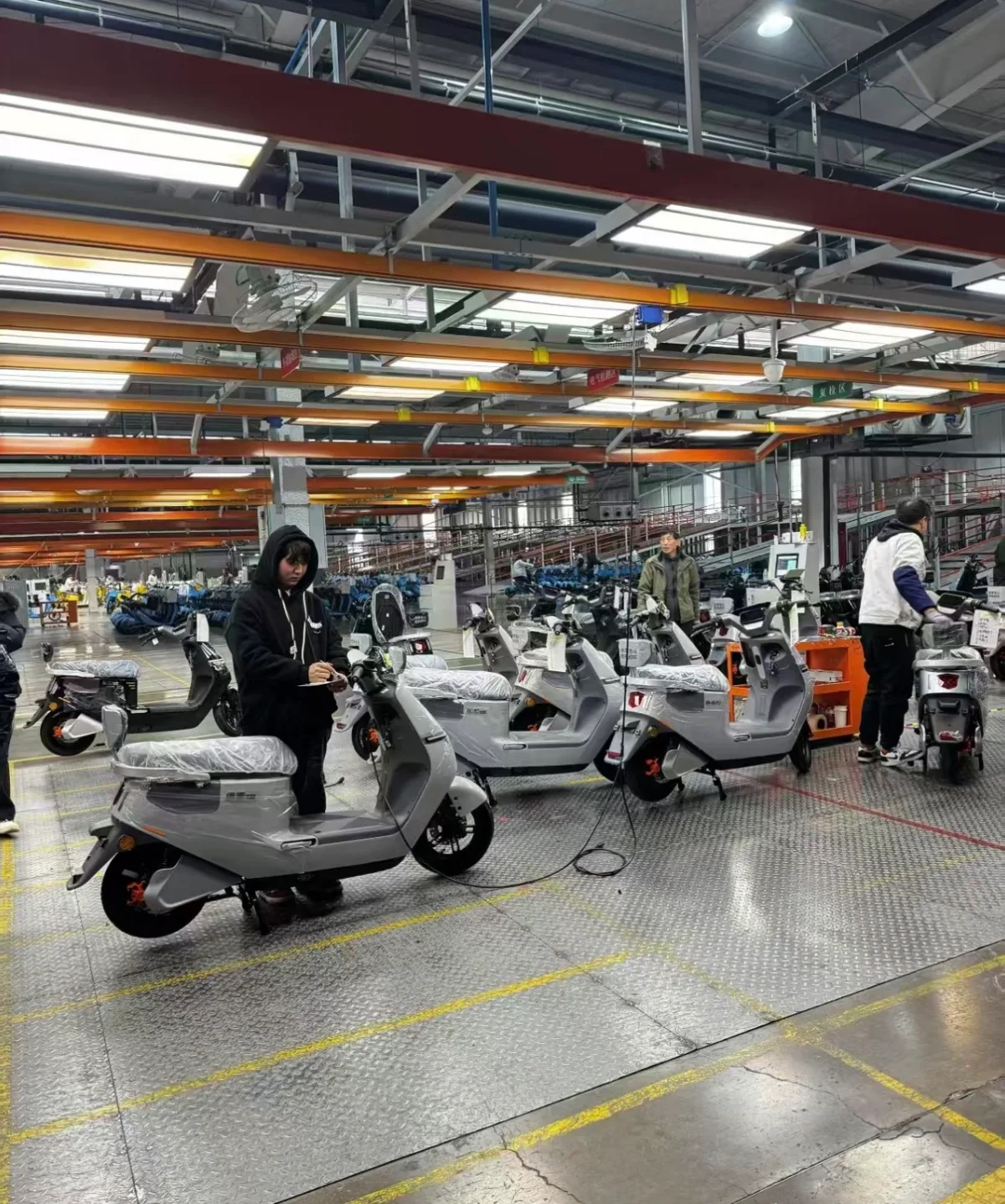
A factory photograph provides context. It does not establish that every model has the same configuration, approval or production process. For the buying decision, the relevant model records and sample remain more useful than a general capability claim.
Supplying riders in your market? See our wholesale terms for mixed orders with a flexible MOQ, and the inspection and one-year warranty terms behind every order.
Frequently asked questions
Does an e-bike need a licence?
That depends on the jurisdiction and the vehicle’s actual classification. Do not infer an exemption from the words “e-bike” in a product title. Check official destination-market guidance for the selected configuration before advertising licence or registration requirements.
Is an electric moped always faster or longer-range than an e-bike?
No universal ranking follows from those names. Compare the specified speed, permitted operating settings, battery and range-test conditions. An unsupported claim that one category always travels farther is not a reliable basis for choosing stock.
Should a dealer offer both categories?
Consider both when they serve distinct customers and your team can explain and support each range. If the use cases overlap, start with the models that meet a clear customer need. More similar-looking options do not necessarily make selection easier.
Does an electric moped with pedals count as an e-bike?
Not automatically. Pedals are one test, but e-bike definitions also cap motor power and assisted speed. The US federal definition requires fully operable pedals, a motor under 750 W and under 20 mph on motor power alone; the EU excludes pedal-assisted cycles up to 250 W whose assistance stops before 25 km/h. A pedal-equipped moped above those figures is classified by its motor and speed, so check each configuration against the destination rules.
Discuss Your Vehicle Range with BG EBIKE
BG EBIKE is the brand of Taizhou Senpeng Technology Co., Ltd., serving importers, distributors and mobility brands with electric two-wheelers.
Tell us your destination market, customer use and preferred vehicle format. If you already have a model in mind, include its model code. These details give us a practical starting point for discussing the relevant product information and configuration options.
Start with our electric bike range or seated electric scooters. Compare the listed configurations for your destination and customer use, then bring the shortlisted models into your inquiry.