
For importers and dealers, an e-bike tire size is a configuration detail that belongs in the quotation, not just a number in the model name. A description such as “14-inch bike” helps identify a catalogue model, but it is not a complete tire or rim specification.
Short answer: An e-bike tire size such as 20 × 4.0 gives the nominal wheel diameter and tire width in inches; the ETRTO marking (for example 100-406) gives width and bead-seat diameter in millimetres and is the reliable fit reference. Record tire size, rim size and tire type for each quoted version, because a model name like “20-inch” is not a complete specification.
Record the complete tire marking, the front or rear position, and the matching rim specification for each ordered configuration. Keep the supplier’s wording until the measurement system is clear. This guide explains how to read common bicycle tire markings and turn them into a useful purchasing record.
How to read e-bike tire size markings
Bicycle tires can carry inch and ETRTO size markings. In an ETRTO example such as 37-622, 37 identifies the nominal tire width in millimetres and 622 identifies the tire’s inner diameter, corresponding to the rim’s bead seat diameter. It does not mean a 622 mm outside wheel diameter.
An inch marking such as 28 × 1.40 describes an approximate outside diameter and tire width. Inch names are not a unique fitment reference: tires called “26-inch”, for example, can have different inner diameters. See Schwalbe’s explanation of tire size designations.
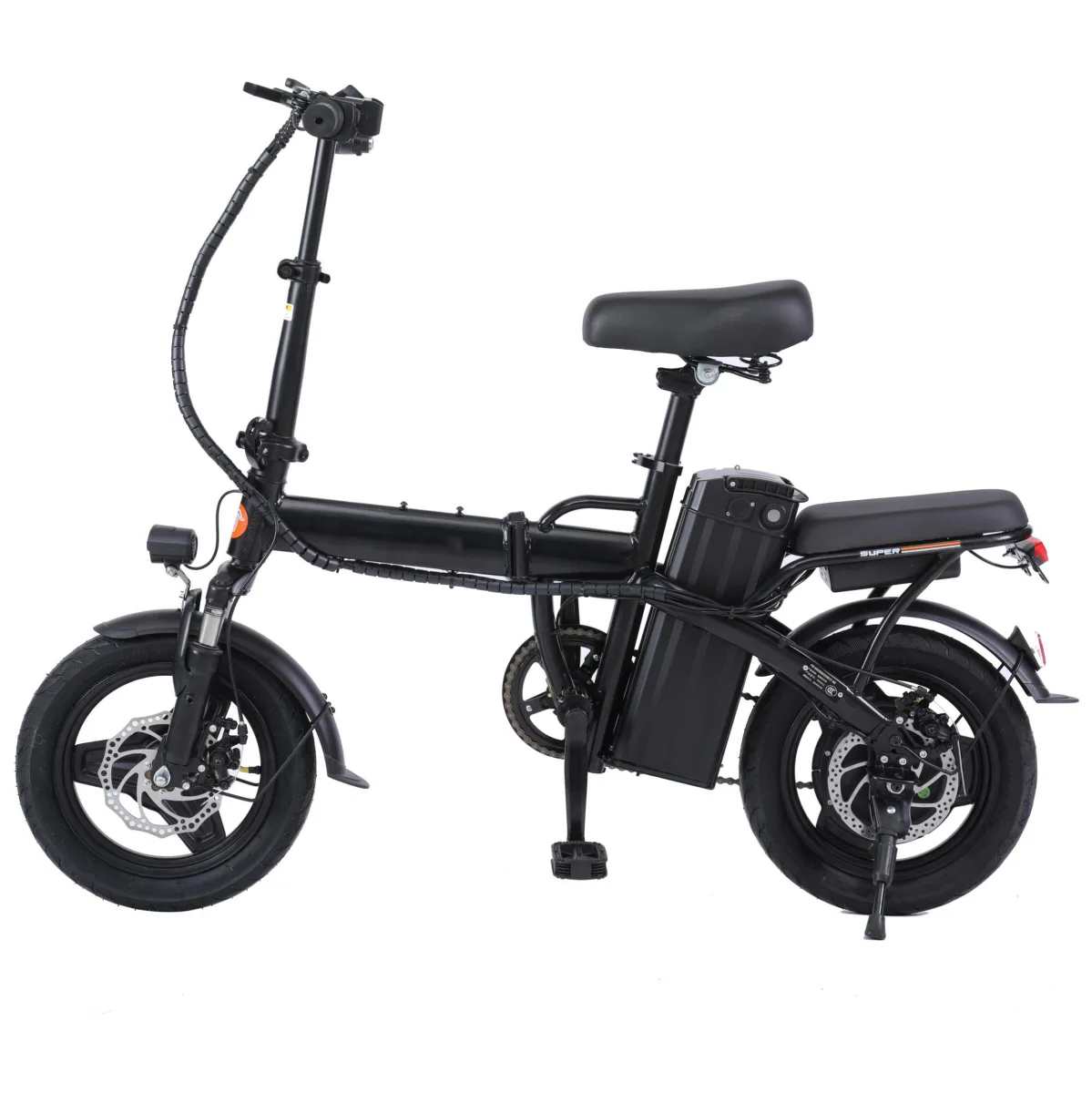
These are marking examples, not specifications for the BG EBIKE vehicle pictured here. Do not convert a catalogue’s nominal inch size into an assumed ETRTO code. Ask for the full sidewall marking or the tire manufacturer’s specification for that configuration.
Wheel size, tire size and rim size: keep the fields separate
“Wheel size” is often used as a short catalogue label. For purchasing, replace that broad label with separate fields. The tire is the rubber component; the rim is the structure on which it mounts. A whole wheel also includes other components, so a wheel description should not substitute for either specification.
| Field | What to record | What not to assume |
|---|---|---|
| Catalogue model | Full model name and selected version | A model name identifies every component |
| Tire size | Complete marking, including units or size system | A single inch number is a complete specification |
| Rim specification | Diameter, width and the supplier’s rim identification | The nominal wheel size equals the bare rim diameter |
| Wheel position | Separate front and rear entries | One entry necessarily covers both wheels |
For example, the supplied Z6 folding electric-bike catalogue lists 14 × 2.5 under its tire specification. Preserve that entry as listed. It is not evidence of a 14-inch bare rim, and the catalogue entry alone should not be rewritten as a particular ETRTO code. This example refers to the folding electric bike, not the separate Z6 electric motorcycle.
Catalogue tyre entries for different vehicle formats
| Model | Listed tyre size |
|---|---|
| Z6 folding electric bike | 14 × 2.5 |
| V1 long-seat electric bike | 20 × 4.0 |
| H9 step-through electric bike | 20 × 2.15 |
| 26-inch electric mountain bike | 26 × 2.125 |
Source: BG EBIKE product catalogue, model specifications. These are tyre entries, not bare rim diameters or an interchangeability chart. Use the selected version’s complete marking for fitment.
Does the same tire size mean the same fit?
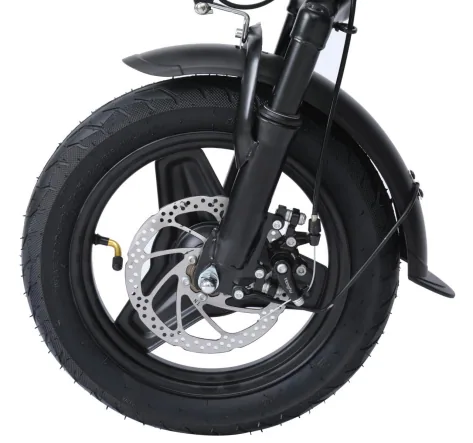
Matching the diameter is only part of checking tire and rim compatibility. Tire width must suit the rim width, and the tire/rim combination must follow the component manufacturers’ requirements. The vehicle also needs appropriate clearance around the fitted tire. Schwalbe’s tire dimensions and rim guidance explains these separate checks.
For a purchase inquiry, distinguish an unchanged catalogue configuration from a requested change. If you want a different width, tire construction or wheel assembly, describe it as a request for review. An alternative appearing elsewhere in a supplier’s range does not establish that it is available on your chosen model.
A useful comparison keeps two questions separate: What is offered on each model? and Can the requested configuration be supplied on this model? The first comes from the relevant specification; the second needs a model-specific answer. A wider tire is not, by itself, a reason to describe one complete vehicle as better.
Build one tire specification record per configuration
Use the following checklist when comparing quotations. Keep the answers in the same order so that a missing field is visible, rather than hidden in differently worded product descriptions.
- Model and version: identify the catalogue model and any agreed configuration changes.
- Front and rear tire markings: request the full markings separately; use a clear sidewall photograph if a catalogue entry is ambiguous.
- Matching rims: record the rim specification and the supplier’s identified tire/rim combination.
- Supply status: distinguish the quoted standard configuration from a requested alternative, including any price difference.
- Supporting record: keep the dated quotation, specification sheet and relevant photographs together.
- Order context: include destination market, estimated vehicle quantity and the models being compared.
If two documents differ, ask which entry applies to the quoted version. Do not silently combine one document’s tire size with another document’s rim information. Once the answer is agreed, update the configuration record that will accompany the order.
Turn the shortlist into a clearer inquiry
When contacting BG EBIKE, send the selected model and the configuration question together. For example:
We are comparing the Z6 folding electric bike for our market. Please identify the front and rear tire markings and the matching rim specifications for the quoted version. We will provide our destination market, estimated vehicle quantity and any requested changes with the inquiry.
This is a vehicle-configuration inquiry, not a request to buy a generic replacement tire. For an existing vehicle’s service requirement, include its model, version and the fitted component’s markings so that the request can be reviewed against the relevant parts information.
Compare the Z6 folding electric bike and V1 long-seat electric bike specification pages. These are different complete vehicles; select the vehicle first, then keep its tyre and rim records with the quoted version.
Send your model and configuration requirements to BG EBIKE. If you already have a product shortlist, include it in the message rather than asking only for “14-inch” or “20-inch” vehicles.
Confirm the specification on a sample before committing a container; where a component or accessory needs to change, see what is possible through customization.
Frequently asked questions
Is “tire” different from “tyre” in a product specification?
They are spelling variants. Compare the actual size marking, model and configuration; do not treat the spelling as a different component.
Can a product photograph establish the tire size?
A complete, legible sidewall marking can help identify the photographed tire. A general vehicle image cannot establish the ordered specification. Keep photographs connected to the model and version they illustrate.
Should a mixed-model order use one tire specification?
Use one record per configuration, even when several vehicles share a nominal size. Only consolidate the entries after the supplier has identified the same specification for those models and positions.