
An e-bike warranty claim is easier to review when the dealer connects the reported issue to a specific order, vehicle and component. A useful submission describes what happened, provides relevant records and asks for a clear next step. Sending a claim does not establish that the issue is covered or that a replacement has been approved.
Short answer: Link each claim to the order, vehicle and component, then describe the symptom and when it occurs, add photos or a short video and the vehicle or battery number, and ask for a specific next step. A complete, traceable case record is reviewed faster than a general complaint.
At BG EBIKE: Vehicles carry a one-year warranty, wear parts are supplied with the order as appropriate to the models, and further spare parts are sold on their own. See quality control and order terms.
This checklist is for dealers and importers documenting a supplier support case. For an existing BG EBIKE order, use its agreed terms and business contact. If the vehicle was purchased from another supplier, use that supplier’s claims process. Keep repair instructions and the coverage decision with the responsible service provider.
Connect the issue to the right vehicle
Start with the order reference, model and supplied configuration. Include a vehicle or component identifier where available, copied exactly from the relevant record or label. If an identifier is missing or unreadable, say so rather than filling the gap with a similar model’s information.
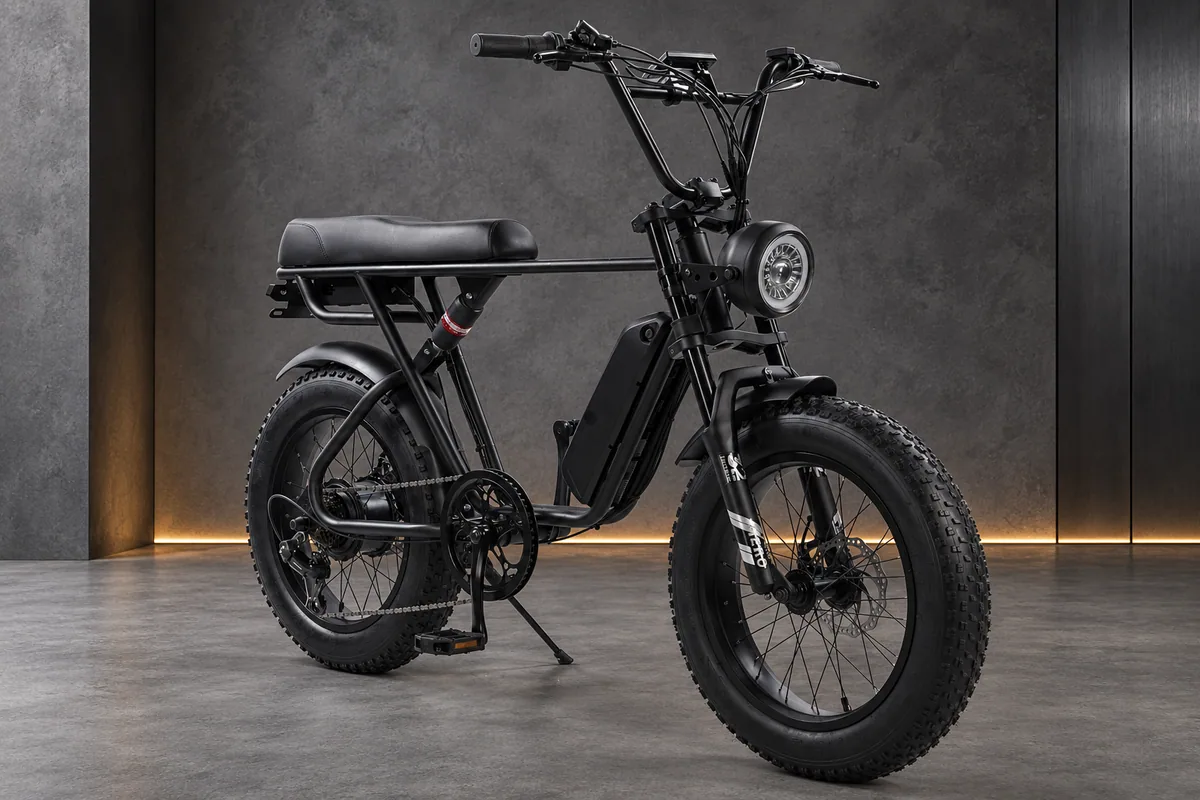
The V1 photograph below is a catalogue reference, not a vehicle involved in a warranty case. For an actual support request, a photograph of the affected vehicle provides context, while closer photographs help identify the relevant component. A catalogue image alone cannot show the condition of the unit being reported.
Keep the component reference separate from the vehicle model. Two vehicles with the same model name may have different configurations, and a replacement component may have its own revision. Include previous approved changes when they affect the issue under review.
Prepare one clear case record
Use one record for each affected unit or clearly identified issue. If several vehicles show similar symptoms, provide a summary and keep their individual identifiers and observations distinguishable. Do not treat similar symptoms as proof of a shared cause.
| Information | What to include |
|---|---|
| Business and order reference | Dealer contact, order or invoice reference, and an existing support reference if one has been assigned. |
| Vehicle identity | Model, configuration or revision, and the vehicle identifier where available. Keep a clear photograph of the relevant marking. |
| Affected component | Part name, part number or label information, and any known replacement history relevant to the report. |
| Observed issue | What the user or technician observed, when it first occurred and under what circumstances. Separate observations from suspected causes. |
| Supporting media | A context photograph and focused images of the affected area or visible information. Add a short video only where useful and safe to obtain. |
| Relevant history | Known service work, adjustments, transport damage or component changes related to the issue. State when information is unavailable. |
| Requested next step | The question needing a response, such as which further information is required or whether a proposed action is authorised. |
| Follow-up record | Date, response, outstanding information, agreed action and completion evidence. Keep the current status visible. |
Share only the customer information necessary for the support discussion. Remove unrelated personal information from photographs and documents. Use the agreed support channel for sensitive order records rather than posting them publicly.
Describe the symptom before proposing a cause
“The controller is defective” is a conclusion. A description of the observed behaviour gives the supplier more useful starting information. Record visible messages exactly and identify who observed the issue. Distinguish a customer’s account from a technician’s documented finding.
Keep the timeline short and relevant: when the issue was first noticed, whether it was intermittent, and any known event or change around that time. Do not invent usage figures or test results to make the report look complete.
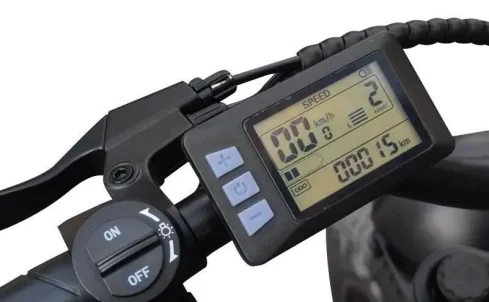
The V1 display below is an ordinary catalogue image. It illustrates why a legible close-up can be useful; it does not show a verified fault. Do not interpret a number or symbol as an error code without the documentation for that display and system.
Record information already available safely. Do not open a battery, probe electrical connections or reproduce a hazardous condition simply to obtain evidence for a claim. Where inspection or diagnosis is needed, follow the appropriate manufacturer guidance and qualified service arrangements.
Make photographs useful without overstating what they prove
Show enough of the vehicle or assembly to establish context, then add a focused image of the relevant area. Make labels readable, keep original files available and describe what each attachment shows. A clear filename linked to the case reference helps keep multiple units separate.
A photograph can document visible condition or an identifier. It does not, on its own, establish the cause of an electrical problem, battery capacity or warranty eligibility. If the supplier requests additional evidence, record the request and the scope of the response.
Use images of the actual reported unit for the case. Product photographs, including the examples in this article, are references rather than evidence of a customer’s issue.
Separate the support decision from the physical repair
Keep technical findings, proposed action and commercial responsibility distinct. A suggested replacement part does not automatically establish who pays for the part, labour or transport. Refer to the agreed terms and obtain a clear response on the proposed scope.
Before arranging a return, agree the destination, authorisation and shipping responsibilities with the supplier. Do not assume that sending a component first will accelerate the review. BG EBIKE’s order terms ask buyers to discuss the issue and the agreed scope before arranging a return shipment.
If a replacement is proposed, record its reference and the vehicle configuration it is intended to support. A similar-looking component is not a confirmed substitute. Our spare parts planning guide covers model-specific stock records; the claim record should separately show the decision made for this case.
Keep the case status clear
Your team can record the case as information being gathered, supplier review, further information requested, action agreed or action completed. Keep the status with the order reference and the next responsible contact.
Record the agreed action in enough detail for another colleague to follow it. Identify the affected unit, the proposed part or service, responsibilities and any unresolved questions. When the action is completed, add the relevant service record and outcome instead of closing the case solely because a part was dispatched.
For recurring issues, preserve the individual cases before preparing a summary. Counts need a defined period and vehicle population if they are to inform purchasing decisions. Several reports alone do not establish a failure rate or prove that all units share a defect.
Wear parts are supplied with our orders as appropriate and vehicles carry a one-year warranty — see quality control and warranty — and parts can ship with the vehicles under our wholesale terms.
Frequently asked questions
Does a complete evidence file guarantee claim approval?
No. Complete information supports review, but the outcome depends on the applicable terms, the issue and the evidence. Documentation quality and coverage are separate questions.
Can several affected vehicles be included in one message?
A summary can be useful, provided each unit has its own identifiable record. Link photographs and findings to the correct vehicle rather than combining them into an unlabelled set.
Should a dealer order a replacement before receiving a response?
Clarify the proposed action and responsibility first if you expect it to be handled under the claim. Buying a part independently does not establish approval or reimbursement under the supplier’s terms.
Discuss after-sales requirements with BG EBIKE
For an existing order, provide the order reference, model, affected component and concise issue description through your agreed business contact. Ask how supporting files should be provided if the channel does not accept attachments.
For future service stock, use the separate dealer spare-parts planning guide and model-specific parts information. A stock purchase and a warranty decision are different requests, even when they concern the same component.
For a new sourcing project, discuss the support scope, component references and responsibilities before placing the order. Review the order and after-sales information, then send your model-specific inquiry with the questions your purchasing and service teams need answered.