
A 4A e-bike charger does not automatically halve the full charging time of a 2A charger. The current rating is not the average current throughout a complete charge. Compare times for the same battery system and the same finishing charge level before describing one option as “twice as fast”.
Short answer: A 4A charger does not automatically halve the full charging time of a 2A charger. Bosch lists about 7.3 hours with its 2A charger and 4.5 hours with its 4A charger for the smart-system PowerPack 500 / PowerTube 500: approximately 38% less time. These figures apply to that named system. For a BG EBIKE quotation, identify the battery version, approved charger and full-charge interval together; do not choose a replacement from its current rating alone.
For an importer or dealer selecting a complete-bike configuration, the useful question is how much charging time the proposed system saves—and whether that saving matters to the intended customer. A shorter recharge window may be valuable between uses; a higher current number alone does not establish that benefit.
2A vs 4A: what do the numbers mean?
The “A” stands for amperes, a unit of electric current. When these figures refer to the charger’s rated output, 4A is twice 2A. That arithmetic describes current, not necessarily the time needed to finish charging.
The comparison also assumes that both chargers are approved for the battery system concerned. Matching current is only part of compatibility. Our e-bike charger specifications and compatibility guide covers the separate task of identifying the correct charger for a supplied vehicle.
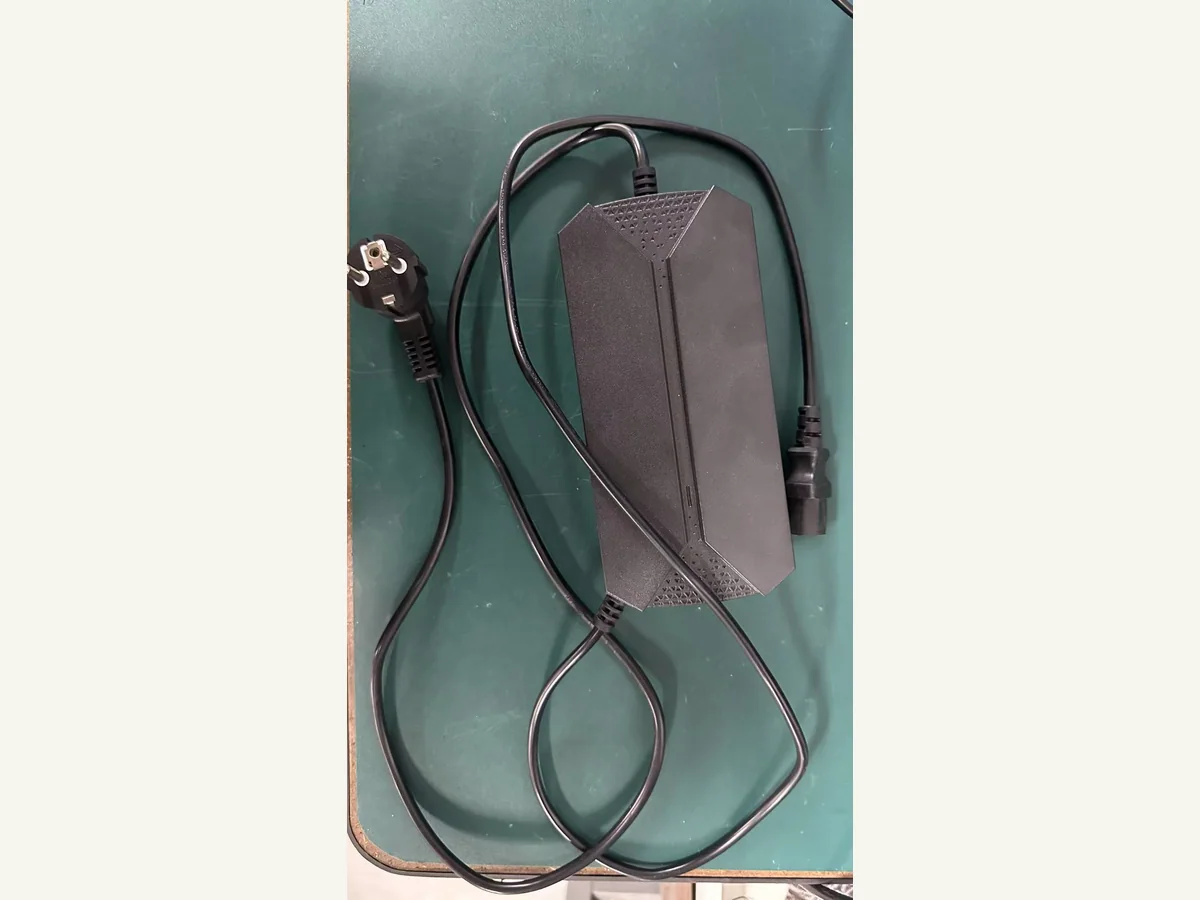
A manufacturer example: partial charge and full charge differ
Bosch’s published figures for PowerPack 500 / PowerTube 500 in the smart system illustrate the distinction:
| Charge level reached | 2A Charger | 4A Charger |
|---|---|---|
| 50% | 3.6 hours | 1.7 hours |
| 100% | 7.3 hours | 4.5 hours |
Source: Bosch eBike charger technical data, checked 9 November 2026. These are manufacturer figures for the named system, not BG EBIKE test results or a prediction for other batteries.
For the full charge, the difference is 7.3 − 4.5 = 2.8 hours. Relative to the 2A time, the reduction is (7.3 − 4.5) ÷ 7.3 × 100 ≈ 38%.
The time to 50% is roughly halved in this example; the time to 100% is not. “About 38% less time to a full charge” describes this comparison more precisely than “twice as fast”. The published values are approximate, so the calculated percentage is approximate too.
Why doesn’t doubling current simply halve the time?
A typical lithium-battery charging process has a constant-current stage followed by a constant-voltage stage. During the latter, current falls as charging approaches completion. Grin Technologies’ Cycle Satiator manual, section 4.1, describes this sequence for its lithium charging profiles.
Consequently, dividing battery capacity in amp-hours by a charger’s rated amps treats a changing process as if current stayed constant. It can illustrate an idealised constant-current duration, but it is not a reliable full-charge promise. The charging profile and the battery system’s permitted current matter.
This principle explains why a current ratio is insufficient; it does not establish the exact charging curve behind every manufacturer’s time figure. Use the applicable manufacturer’s data or a documented evaluation of the specified build for that detail.
Which charging-time figure matters to your buyers?
For customers who need a full battery before departure, compare full-charge times. A claim about reaching 50% answers a different question. If the available charging period comfortably accommodates either approved option, a shorter full-charge time may have limited value for that particular use pattern.
For a vehicle that returns to use between charging sessions, compare the relevant partial-charge interval. A 20%-to-80% result cannot be inferred from a time-to-50% figure. Set the required starting and finishing levels first, then obtain a result for that interval on the proposed battery and charger combination.
For example, an importer assessing a two-hour break needs to know the charge gained during that break from a stated starting level. A quotation that only says “4A charger” leaves that operational question unanswered. The useful comparison is whether the documented result meets the intended schedule, not which quote contains the larger current number.
Turn the result into an accurate product description
Keep the battery version, charger model, starting charge level, finishing level and stated conditions alongside any charging-time claim. If a supplier provides only “4–6 hours”, ask what that interval describes before putting it in a sales listing. Changing the battery version can make an otherwise identical-looking comparison invalid.
For sample evaluation, use the manufacturer’s charging procedure and record the applicable conditions and completion indication. Keep an observed sample result distinct from a guaranteed time for every delivered bike. Do not extend a time-saving calculation into claims about longer battery life, greater range or universal charger interchangeability.