
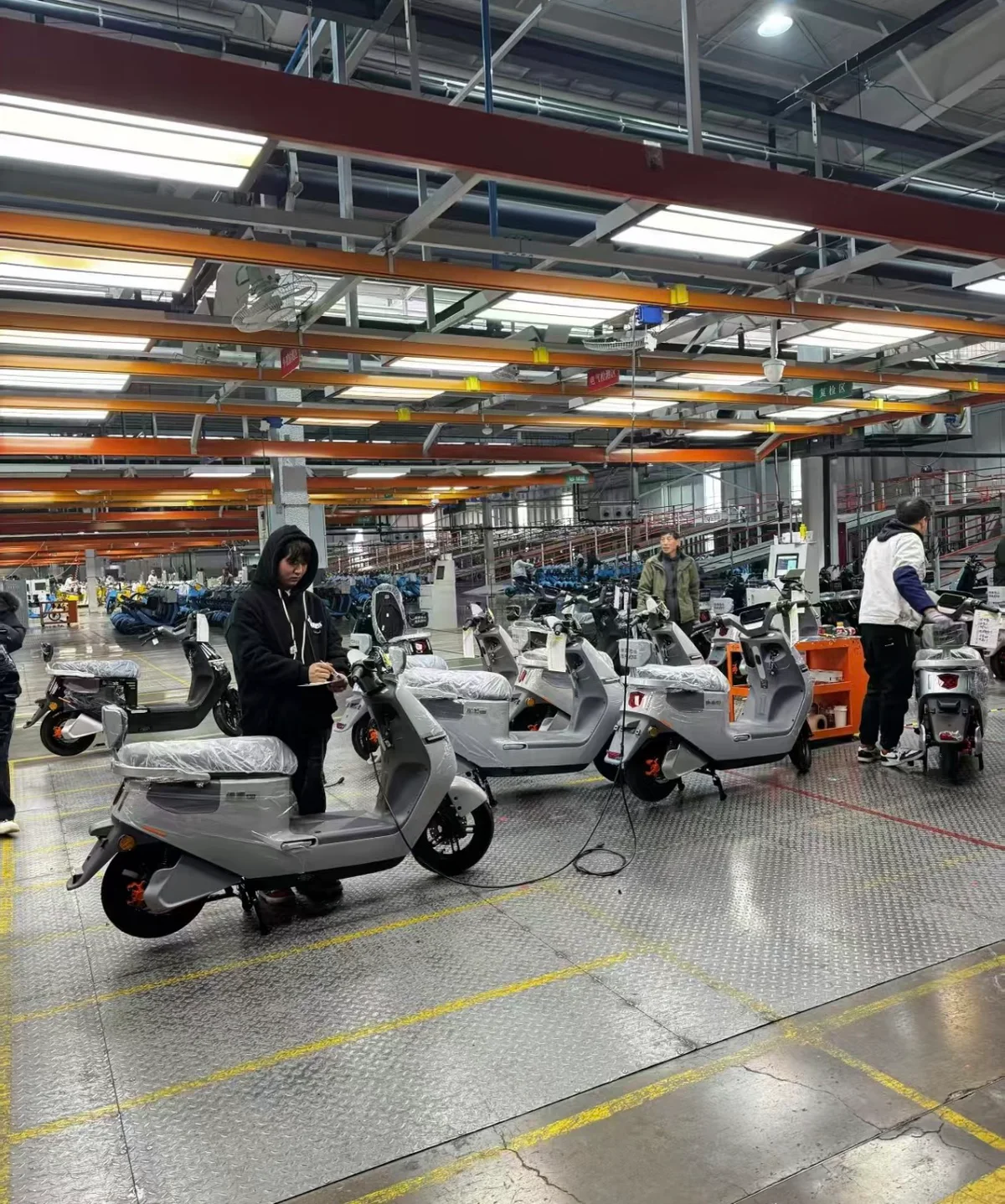
An electric two-wheeler pre-shipment inspection checks a batch against the agreed order before dispatch. For importers, dealers and private-label brands, the priorities are the correct configuration, included equipment, agreed functional checks, packaging and traceable results. A useful report identifies what was examined, what differed and what needs to happen before release.
Short answer: A pre-shipment inspection checks a finished batch against the agreed order before dispatch: configuration, included equipment, agreed functional checks, packing, quantities and identification. Agree the inspection basis and sample size before the batch is ready, and close every finding before releasing the shipment.
At BG EBIKE: Inspection before loading follows your requirements, including your own staff or a third-party inspector, and the 70% balance is paid after inspection, before the container is loaded. See quality control.
This guide covers bicycle-style electric bikes and seated electric scooters or mopeds. Apply each check to the actual vehicle and supply format. It is a purchasing checklist to adapt with your supplier or inspector, rather than a claim that every model follows the same inspection programme.
Set the inspection basis before the batch is ready
Give the inspector one current specification pack: the purchase order, model and variant list, approved configuration, reference sample details, packaging instructions and authorised changes. Agree the inspection scope and acceptance criteria before production, then arrange the inspection while there is still time to correct and recheck findings before dispatch.
Record the order number, specification revision and destination market on the inspection sheet. If a component changed after sample approval, attach the written approval and update the configuration record. Otherwise, the supplier, inspector and purchasing team may be comparing the batch against different versions.
QIMA describes pre-shipment inspection as checking product quality, specifications, labelling, packaging and quantity, with samples selected under a sampling procedure. For your order, agree who selects the units, how variants are covered, which checks use samples and which require a different level of coverage. A report on sampled units should identify that scope clearly.
Match the delivered configuration to the order
Compare components and identifiers against the approved specification, rather than relying on the vehicle name or appearance. Two vehicles with the same body can have different batteries, brakes or included accessories. Use a configuration checklist for each ordered variant, with photographs or document references beside findings that need follow-up.
On a small screen, scroll the table horizontally to read all columns.
| Check area | Compare with the approved order | Record in the report |
|---|---|---|
| Model and variant | Model code, colour, version and agreed identifying marks | Inspected unit or carton reference and photographs |
| Motor and controller | Specified model references, ratings and agreed settings | Visible identifiers and supporting records for details that cannot be inspected directly |
| Battery | Specified pack reference, nominal voltage, capacity and included quantity | Pack label and relevant configuration record; note any mismatch |
| Wheels, tyres and brakes | Rim specification, tyre marking and front/rear brake configuration as separate fields | Actual markings, component references and any agreed substitution |
| Charger and electrical accessories | Approved charger reference, ratings, connector and destination plug | Label and connector photographs; missing or substituted items |
| Included equipment | Keys, mirrors, racks, tools, instructions and separately packed accessories, as ordered | Quantity per vehicle or kit and where each item is packed |
Keep tyre and rim descriptions separate. A tyre marking and a rim dimension describe different things. Copy the actual marking and the order specification into their respective fields before deciding whether there is a discrepancy.
A battery label can help establish identity, but it does not measure usable capacity. Likewise, a motor label does not establish whole-vehicle performance. If measured capacity, range or another performance result is part of acceptance, agree the test method, conditions and required evidence separately.
For model-specific accessories, check the selected version and mounting arrangement. An optional carrier shown in a catalogue should appear in the inspection checklist only when it is included in that order.
Define functional checks that produce useful evidence
Write down the function, method, expected result and coverage for each check. “Vehicle works” gives a purchasing team little evidence. A useful entry identifies the inspected unit, the applicable function, its observed result and any defect, so another person can understand what passed and what still requires attention.
Depending on the model, the agreed scope may cover:
- Controls and displays: startup, indicated information, switches and fitted lighting or signals.
- Drive functions: the agreed pedal-assist or throttle functions, where fitted and applicable to that configuration.
- Brakes and steering: checks defined by the manufacturer or inspector, including agreed functional and assembly checks.
- Battery access and charging: mounting or locking operation and an agreed check using the approved charging equipment.
- Assembly and finish: visible damage, cable routing, component security and finish against agreed criteria.
Use qualified personnel and suitable equipment for operational checks. Record measurements only when the method and equipment support them. Do not turn a brief power-on demonstration into a claimed range, braking-distance or battery-capacity result.
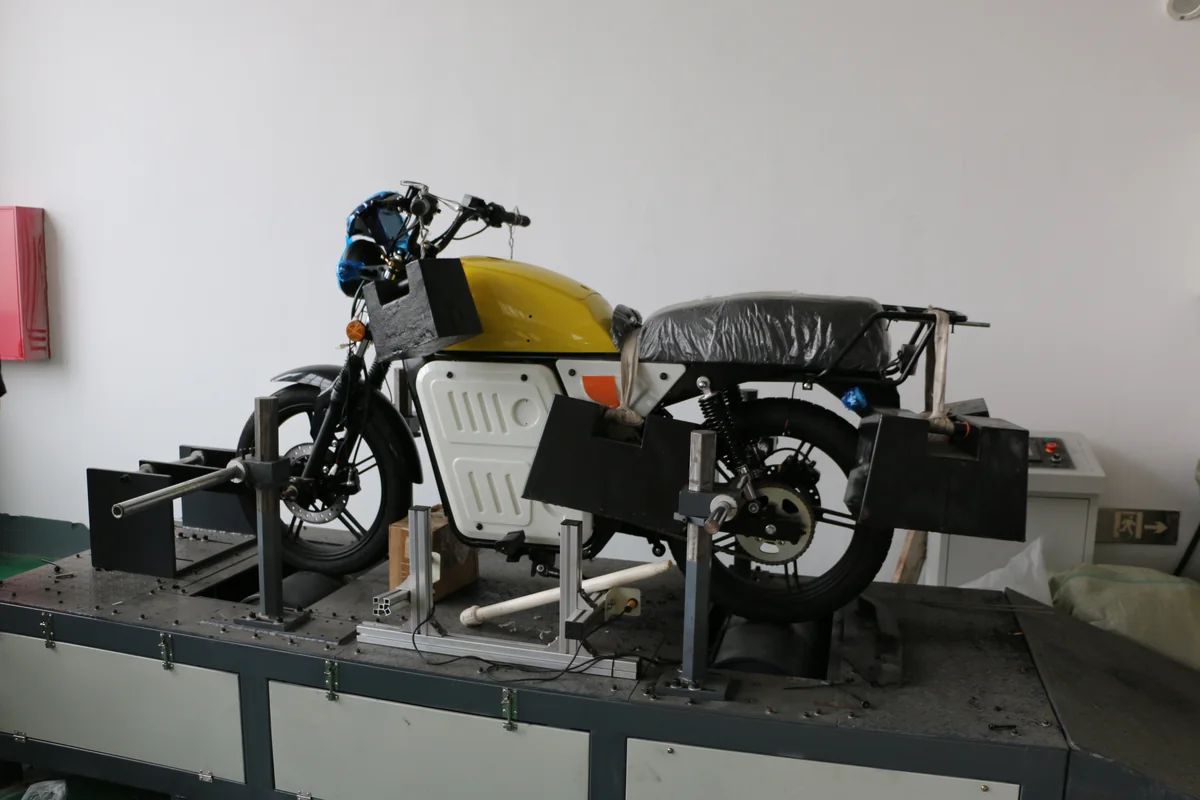
Pre-shipment checks also have a different role from specialist product testing. SGS lists bicycle and e-bike testing services covering areas such as mechanical strength, braking performance, electrical safety and battery testing. Where such evidence is required, check that the report covers the relevant product configuration and scope; a shipment inspection report alone does not establish those results.
Check packing, quantities and identification
Inspect the packing against the agreed packing specification and contents list. Record vehicle or kit quantities, loose accessories, protective materials, carton marks and traceable identifiers. The objective is to make the inspected goods identifiable and to show whether the supplied package matches what the buyer ordered.
For assembled vehicles, check the agreed protection at exposed surfaces and components, along with how loose items are secured. For kits, reconcile the parts list with the kit contents and identify any shortages. Use the supply format already agreed for the order; this stage is not the time to assume what a supplier means by a kit name.
Keep external carton counts separate from checks of contents. If only selected cartons were opened, state how many and which ones. Where carton dimensions or weights form part of the order, record the measurements and coverage rather than copying catalogue figures into the result column.
If loading supervision is required, agree it as a separate activity. Seeing an inspected batch in a warehouse does not establish which goods were subsequently loaded.
Close findings before making the release decision
Use a findings log that links each discrepancy to a unit or carton, the agreed requirement, supporting evidence and a corrective action. Name the person responsible and record the recheck result. An issue should not disappear from the report merely because someone says it has been fixed.
The following example is a blank working structure, not an inspection result or a universal acceptance standard:
On a small screen, scroll the table horizontally to read all columns.
| Finding or check | Evidence to attach | Action and follow-up |
|---|---|---|
| Configuration differs from the order | Unit reference, component photograph and specification revision | Record the discrepancy, proposed correction and buyer decision |
| Accessory quantity differs | Carton or kit reference, counted quantity and packing-list entry | Correct the shortage or mismatch and record the recheck |
| Functional check fails or cannot be completed | Check method, observed result and relevant photograph, video or measurement | Record repair or further testing needed, owner and due date |
| Packaging differs from the agreed specification | Carton reference and photographs of the protection or marking | Correct the packaging and retain updated evidence |
| Finding has been rechecked | Original finding number and new evidence | Record the outcome, reviewer and date before release review |
Illustrative example: an order includes two keys per vehicle, but an inspected unit has one. Record that unit, the agreed quantity and the observed shortage. Ask for the affected scope to be checked, then document the correction and recheck. This is more useful than a general “accessories checked” entry.
The person authorised by the buyer should review unresolved findings before shipment release. Keep the inspection report, corrective-action record and release decision together. The checklist supports that decision; it does not replace the agreed acceptance criteria or the buyer’s approval process.
See how we pack and load containers in export packaging and shipping, and how inspection before loading works in quality control.
Frequently asked questions
Does every vehicle need the same inspection checklist?
No. Use a common report structure, then adapt the checks to the model, ordered options and supply format. A bicycle-style e-bike may need checks of its pedal drivetrain and assistance functions; a seated scooter may have different controls and equipment. Mark inapplicable checks clearly rather than leaving unexplained blanks.
Is a supplier video enough to accept a batch?
A video can document a specific operation, but it should identify the unit and the conditions shown. It does not establish batch-wide results by itself. Agree whether remote evidence is sufficient for each item or whether physical inspection, measurement or additional testing is needed.
Can a passing inspection report replace certification or market documents?
No. Inspection findings relate to the stated scope and inspected goods. Product testing, certification and destination-market documentation need their own review for the relevant vehicle configuration. Resolve those requirements during product and order planning, rather than leaving them until shipment release.
What should a buyer send when discussing an inspection scope?
Send the model and variants, destination market, estimated quantity, intended supply format and the configurations or checks that matter to your business. For an existing order, add the current specification, approved changes and packing requirements. These give the supplier or inspector a concrete basis for the discussion.
Discuss your model and order requirements
BG EBIKE serves importers, distributors and mobility brands sourcing electric two-wheelers. Include your shortlisted model, destination market, estimated quantity and required configuration when contacting us. If you already have a purchasing checklist, include the inspection and documentation points you want to discuss for that order.
Review our manufacturing information alongside the vehicle catalogue. For a first sample, use the sample evaluation checklist; for a production batch, use the agreed order specification and inspection scope.