
Two electric two-wheeler quotations can show different wattages without telling you which configuration better fits your customers. Before using motor power to shortlist an electric bike or seated scooter, establish what each supplier's number measures.
Short answer: Rated (nominal) power is what a motor can deliver continuously; peak power is a short burst that can be 1.5 to 2 times higher. Before comparing quotes, confirm which figure each supplier gives and whether it is electrical input or mechanical output, then compare the same figure for the version you will buy.
The buying rule: compare like-for-like power figures, then compare the complete quoted configuration. Keep rated output, peak output and electrical input in separate fields. If a quotation gives only a wattage, ask for its definition before treating it as a product advantage.
This guide is for importers, dealers and private-label buyers reviewing electric bikes and seated electric scooters. It focuses on quotation clarity, rather than recommending a universal wattage for every market.
Rated vs peak motor power: what should a buyer record?
Rated power is the manufacturer's declared value under specified conditions. Where a specification says rated continuous output, record that full description. Peak or maximum power describes a maximum under stated conditions; the label alone does not tell you how long it is available. Do not silently substitute one term for another in your comparison sheet.
Bosch's drive-unit comparison lists rated continuous output and maximum power as separate rows, with configuration-dependent notes. That is a useful example of separating specifications, not evidence that BG EBIKE vehicles use Bosch components. See Bosch's drive-unit technical data.
On a small screen, scroll the table horizontally to read all columns.
| Quotation wording | Information to request | How to record it |
|---|---|---|
| Rated or nominal power | The supplier's definition, measurement point and applicable test method | Preserve the exact term and attach its source |
| Rated continuous output | Operating conditions, speed and thermal limits used for the rating | A separate continuous-output field |
| Peak or maximum power | Input or output, duration, operating conditions and any activation limits | A separate maximum-power field with conditions |
| Motor power, without qualification | Which of the above the number represents | Unspecified until the supplier clarifies it |
For procurement, a missing definition is a follow-up item. It is not a reason to invent a continuous rating from a peak value, or automatically reject an otherwise relevant model.
Electrical input is not mechanical output
Electrical input is the power supplied to the drive system; mechanical output is the power delivered as rotation. At the battery-side DC measurement point, voltage multiplied by current gives electrical power. It does not establish the motor's mechanical output or continuous rating. Use values measured at the same point and operating condition, rather than combining unrelated catalogue limits.
Grin Technologies explains this distinction and shows how the battery, controller and operating speed affect a motor system's output. Its examples demonstrate why a standalone wattage is insufficient for a complete comparison. See Grin's explanation of motor power ratings.
When reviewing a quotation, ask the supplier to identify the measurement point. A battery-side electrical-input figure should not sit in the same column as another supplier's mechanical-output figure without a clear label.
Compare the configuration that will actually be supplied
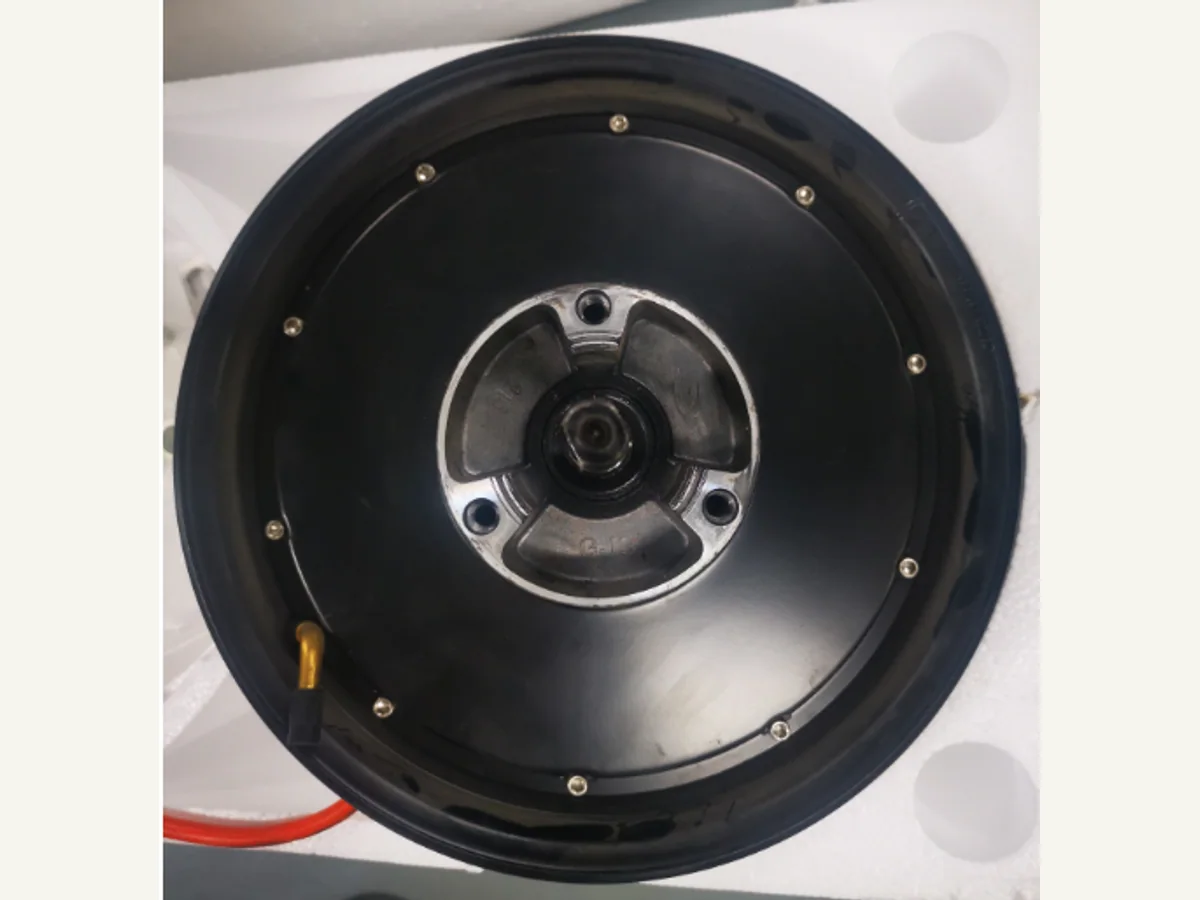
Treat the motor, controller and battery references as part of the quotation record. Ask whether each is included in the base price or belongs to an optional version. A model name alone is not enough to identify the configuration you intend to order.
For a practical supplier discussion, request:
- The vehicle model and configuration revision, including the date of the specification sheet.
- The motor reference and the exact wording of each quoted power figure.
- The controller reference, relevant current limits and whether those limits describe battery current or motor phase current.
- The battery voltage, capacity and discharge information supplied for that version.
- The wheel and tyre specification, with their descriptions kept separate.
- Any settings or optional equipment required to obtain the quoted performance.
Keep two questions separate: What does the supplied specification say? and Does this version meet our intended use? The first needs a traceable configuration record; the second needs evidence relevant to the application.
For repeated hill starts, delivery rounds or other demanding use, describe the route, expected total load and operating pattern in your inquiry. Request suitable test information for the proposed version instead of choosing from the largest headline number. Do not turn an untested expectation into a promise to your dealers.
A quotation comparison sheet your team can use
Start with one row per configuration, not one row per model family. Use the following fields to collect comparable information from shortlisted suppliers. This is a suggested procurement worksheet, not a list of specifications already verified for every BG EBIKE model.
On a small screen, scroll the table horizontally to read all columns.
| Field | What to enter for each quotation | Follow-up if missing |
|---|---|---|
| Vehicle and version | Exact model, configuration reference and quotation date | Which version is included in this price? |
| Rated power | Value, unit and the supplier's full description | Is this continuous output or another rating? |
| Peak or maximum power | Value, measurement point and availability conditions | What duration and conditions apply? |
| Supporting document | Specification sheet or report reference and revision | Can you provide the document for this version? |
| Drive configuration | Motor, controller and battery references | Are any of these optional or substituted? |
| Application evidence | Relevant test conditions and results supplied | What supports suitability for our use? |
| Commercial scope | Included configuration, options and price basis | Does the price cover the configuration compared? |
| Open items | Missing answers, responsible contact and review date | What must be resolved before approval? |
Do not leave a blank cell looking like a confirmed match. Use “not supplied” or “awaiting clarification” where appropriate. Keep the original document alongside your summary so a sales or purchasing colleague can trace the answer.
How to handle an incomplete comparison
Suppose one quotation explicitly identifies continuous output while another says only “motor power”. Your next action is to obtain the second quotation's definition, not rank the two models by wattage. If the supplier later identifies that figure as peak input, retain it in a separate field and request comparable output information where available.
If the information remains unavailable, record the limitation and decide whether the model should stay on the shortlist. A sample evaluation may address an application question, but it does not retrospectively define an undocumented rating.
Turn the shortlist into a clearer inquiry
Send the supplier your model references, destination market, expected order quantity and intended use. Include the configuration sheet you are comparing and identify the unanswered power fields. This gives the discussion a concrete starting point without asking you to specify every component before making contact.
For an initial inquiry, you can use this wording:
Please quote the identified vehicle version and list the motor, controller and battery included in the price. For each power figure, state whether it is electrical input or mechanical output, whether it is rated continuous or maximum, and the conditions used. Please identify any optional configuration separately and attach the relevant specification sheet.
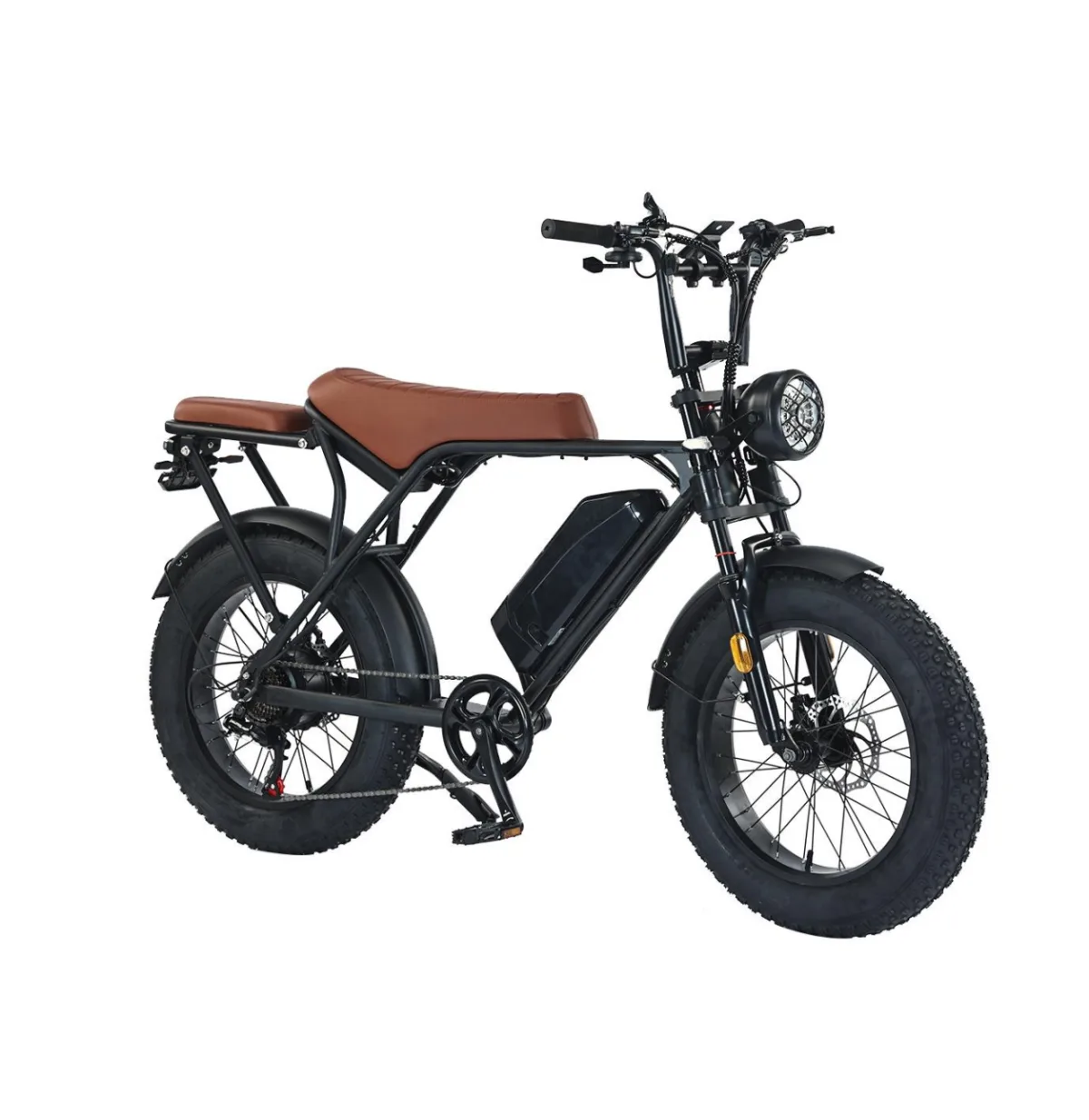
The 26-inch electric mountain bike lists 350W, while the V1 long-seat electric bike lists 1000W. Neither entry identifies the rated/peak measurement basis, so retain each as a catalogue wattage until the applicable specification defines it.
Start with the electric bike catalogue or seated electric scooter catalogue. When you have model references, send BG EBIKE your sourcing requirements. Include unresolved configuration questions in your project requirements so they can be addressed with the quotation.
A sample of the exact configuration is the quickest way to confirm these points, and model-specific changes are covered under customization.
Frequently asked questions
Can I compare one model's peak power with another model's rated power?
Keep them separate. Ask for the same type of figure and supporting conditions for both versions before using power as a ranking criterion.
Should I remove a model because its power description is incomplete?
First request clarification. Mark the information as unresolved and decide how important it is to your purchase approval. Do not replace missing data with an assumption.
What if the catalogue and quotation use different power figures?
Ask whether they describe different versions or different measurement methods. Have the supplier identify the document and configuration that apply to the offered price, then retain that record with your purchasing files.
Is a wattage label enough to approve the vehicle for our destination market?
Do not use this quotation worksheet as a market-approval checklist. Have the relevant vehicle classification and compliance documents reviewed separately for the intended destination and use.
References
- Bosch eBike Systems — Drive units and technical data. Example of separately reported continuous and maximum power; not a specification source for BG EBIKE models.
- Grin Technologies — Motor Power Ratings. Technical background on input, output and system configuration.
Technical references reviewed on 19 October 2026. Use the applicable vehicle specification for model-specific figures.