
E-Bike & Scooter Blog
Practical comparisons and buying advice for importers and dealers.
Explore electric bikes, seated scooters and motorcycles with a clearer view of vehicle differences, configuration choices and the questions to ask before ordering.
From the guides
BUYING GUIDE
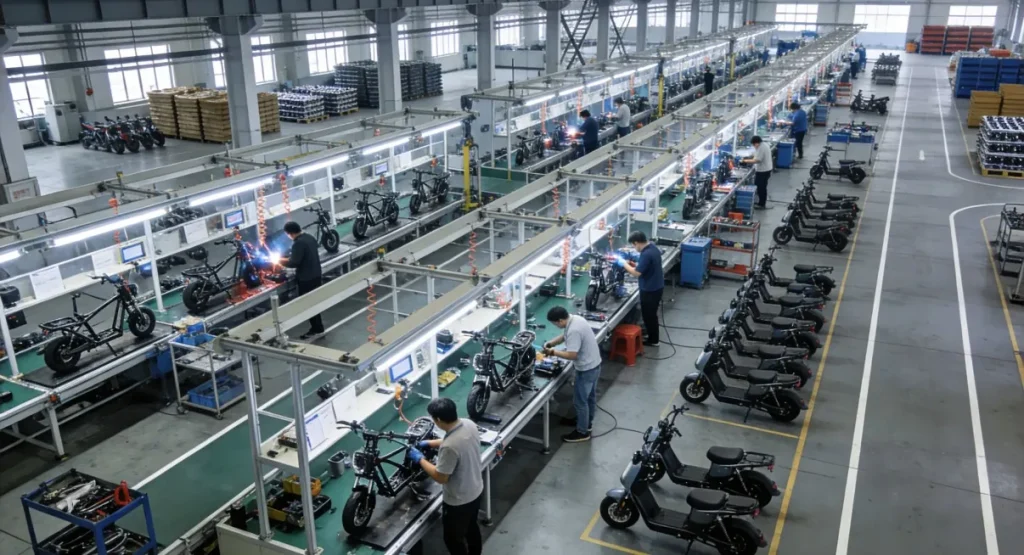
Electric Moped Manufacturers: How to Verify a Supplier
Use a model-specific verification matrix to assess an electric moped manufacturer's identity, configuration commitments, customization scope and follow-up support.
Read the guide : Electric Moped Manufacturers: How to Verify a Supplier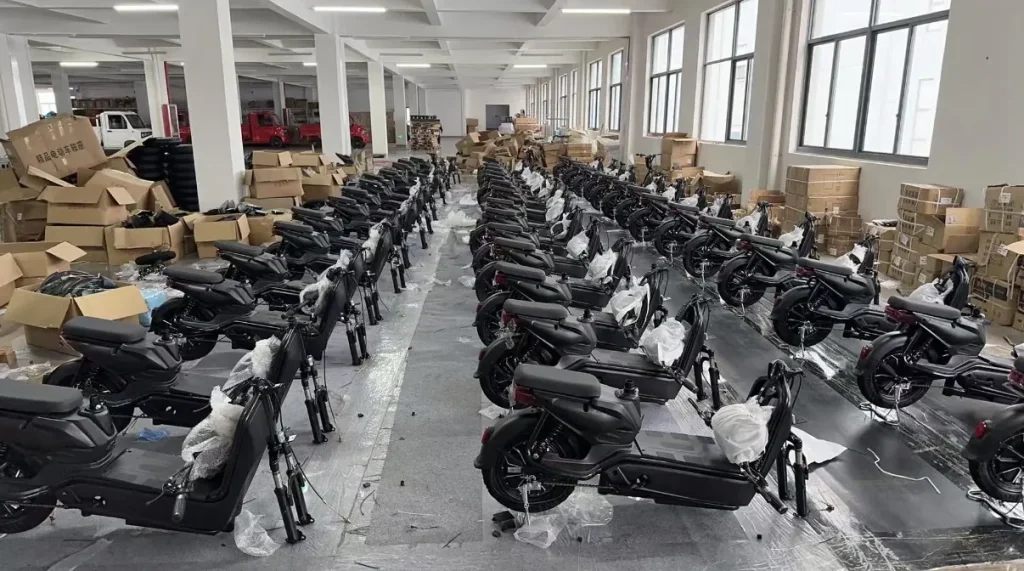
BUYING GUIDE
Chinese Electric Mopeds: How Dealers Build a Model Range
A dealer-focused method for selecting Chinese electric moped configurations, separating model choices from stock lines and preparing a justified mixed-order plan.
Read the guide : Chinese Electric Mopeds: How Dealers Build a Model Range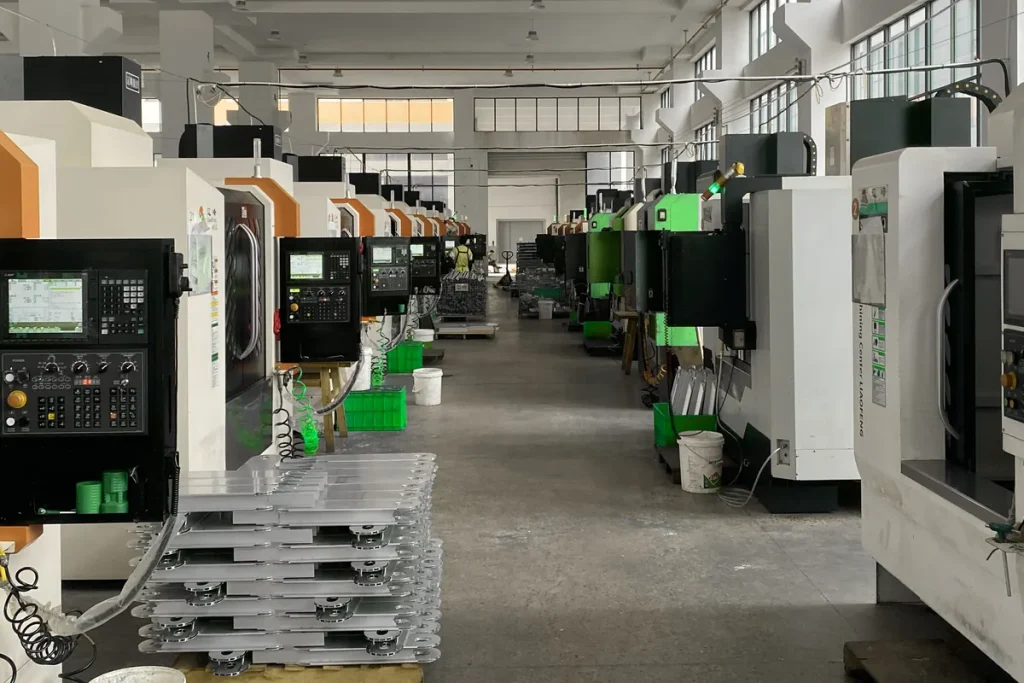
BUYING GUIDE
Electric Motorcycle Manufacturers in China: How to Compare Suppliers
A seven-line sheet for comparing electric motorcycle manufacturers in China, plus the wholesale terms to agree before the deposit.
Read the guide : Electric Motorcycle Manufacturers in China: How to Compare Suppliers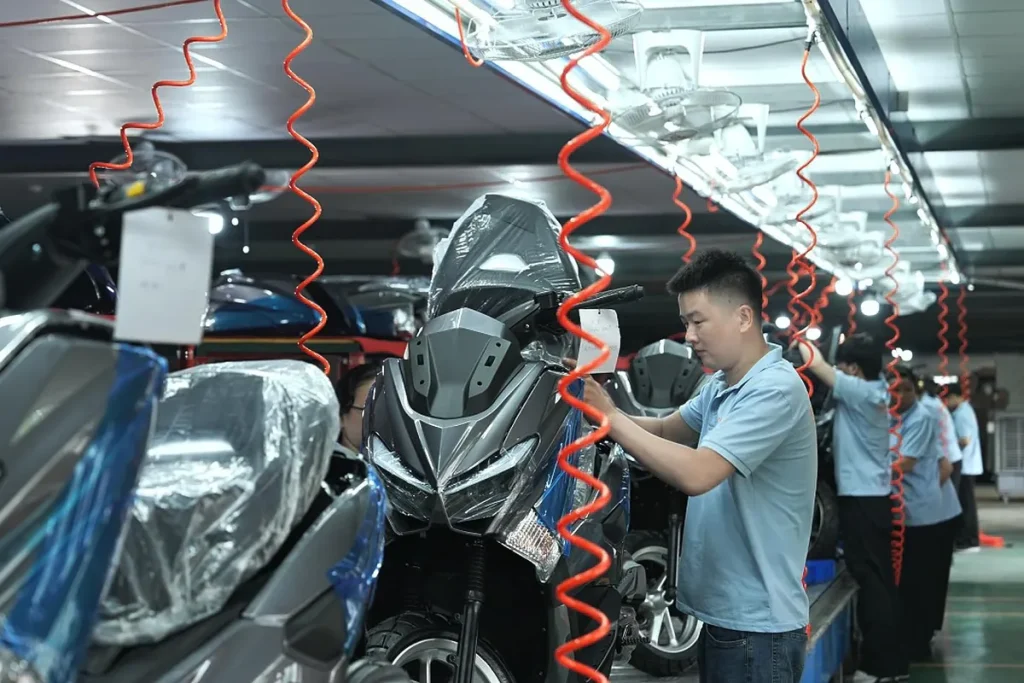
BUYING GUIDE
Chinese Electric Motorcycles: What Importers Check Before Ordering
What to check before ordering Chinese electric motorcycles: legal category, lead-acid or lithium battery, listed speed and range, container count and parts.
Read the guide : Chinese Electric Motorcycles: What Importers Check Before Ordering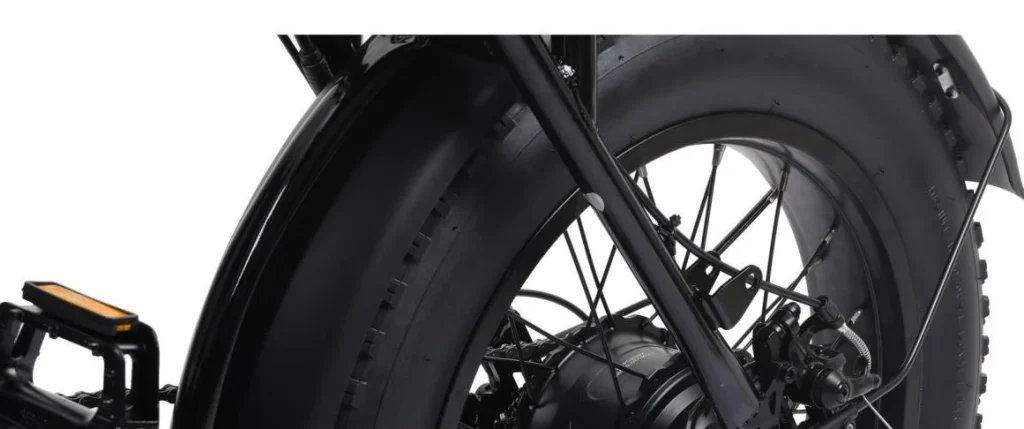
TORQUE AND WHEEL SIZE
Hub Motor Torque and Wheel Size: How the Driving Force Changes
Equal hub torque does not mean equal driving force at the road. A worked example explains the role of wheel radius and why it cannot rank complete e-bikes on its…
Read the guide : Hub Motor Torque and Wheel Size: How the Driving Force Changes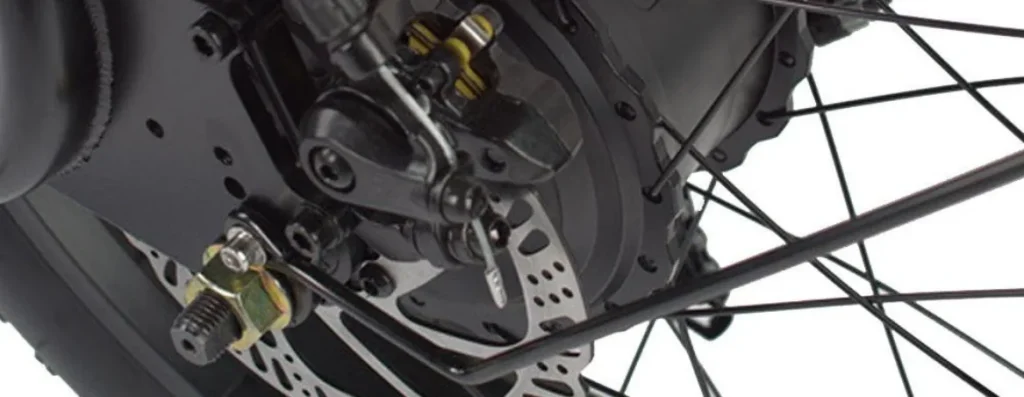
ROTOR THICKNESS
Same-Diameter Brake Rotors: Why Thickness Still Matters
The same rotor diameter can hide different thickness specifications. Learn how the distinction affects e-bike configuration comparisons and dealer service-stock planning.
Read the guide : Same-Diameter Brake Rotors: Why Thickness Still Matters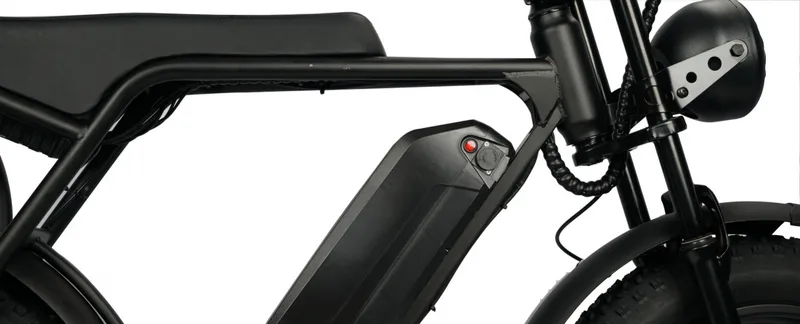
COLD-WEATHER RANGE
Cold-Weather E-Bike Range: Why a Shorter Ride Does Not Prove Battery Wear
Shorter winter range does not, by itself, prove battery wear. Separate ride observations from capacity assessment and use seasonal feedback to improve dealer support and model selection.
Read the guide : Cold-Weather E-Bike Range: Why a Shorter Ride Does Not Prove Battery Wear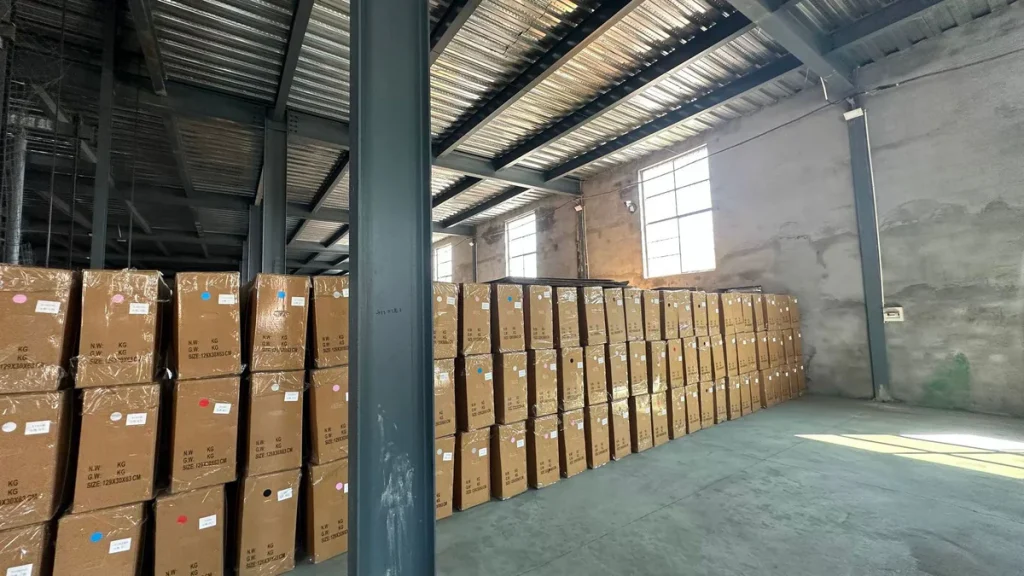
MIXED ORDER IDENTIFICATION
Mixed E-Bike Orders: Matching Carton Marks to the Packing List
A correct carton total can hide a wrong model or colour mix. Follow an illustrative 60-bicycle order to connect package identifiers, configuration lines and separately packed kits.
Read the guide : Mixed E-Bike Orders: Matching Carton Marks to the Packing List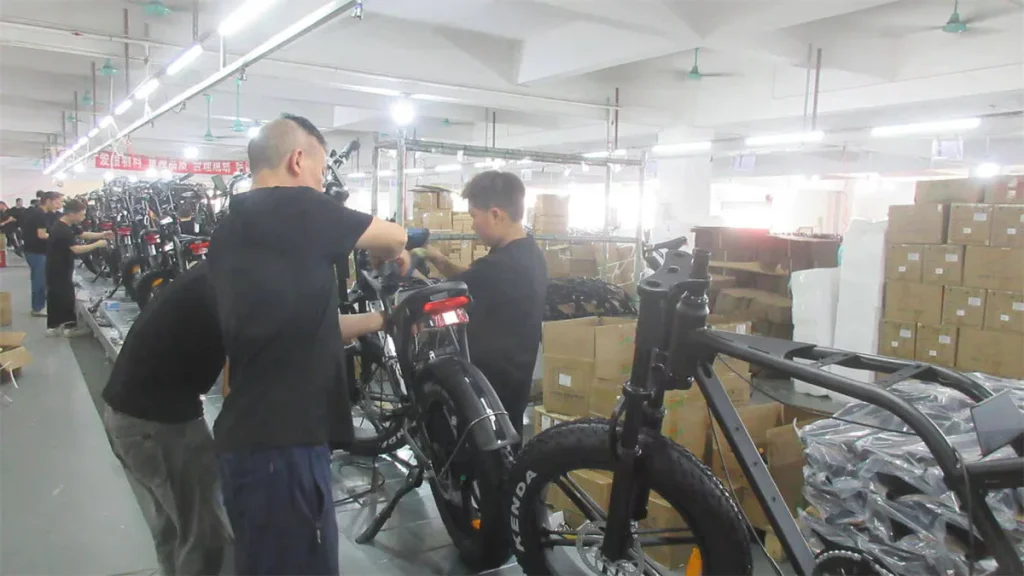
DEALER PREPARATION
E-Bike Pre-Delivery Inspection: Factory Checks vs Dealer Handover Checks
Factory checks and dealer handover checks describe different stages. Learn how to agree shipping condition, destination preparation and traceable records for an e-bike order.
Read the guide : E-Bike Pre-Delivery Inspection: Factory Checks vs Dealer Handover ChecksSTART WITH YOUR RANGE
What matters when choosing each vehicle type?
A useful buying guide starts with how your customers will use the vehicle. Compare the details that affect your range, rather than choosing by appearance alone.
Electric bikes
Start with riding position, frame layout and pedal-assist needs. Then compare the battery configuration, brakes and dimensions of the models on your shortlist.
Key questionDoes this model suit the riders and journeys you want to serve?
Explore electric bikesSeated electric scooters
Look at seat height, foot space, storage and charging access. Similar-looking scooters can have different battery options and equipment, so compare the selected configurations.
Key questionWhich practical features will matter most in your customers’ daily use?
Explore seated scootersElectric motorcycles
Consider riding position, dimensions, braking equipment and the intended use. Check the selected model’s specifications and destination-market requirements before making a purchasing decision.
Key questionIs the proposed configuration suitable for your market and intended application?
Explore electric motorcyclesVehicle names describe the catalogue range; they do not establish a vehicle’s legal classification or road-use approval in your market.
KEEP EXPLORING
From a useful guide to the right product information.
Use these articles to understand vehicle differences. For model details, continue to the relevant catalogue; for purchasing information and tools, visit Buyer Resources.
Explore buyer resources