
E-Bike & Scooter Blog
Practical comparisons and buying advice for importers and dealers.
Explore electric bikes, seated scooters and motorcycles with a clearer view of vehicle differences, configuration choices and the questions to ask before ordering.
From the guides
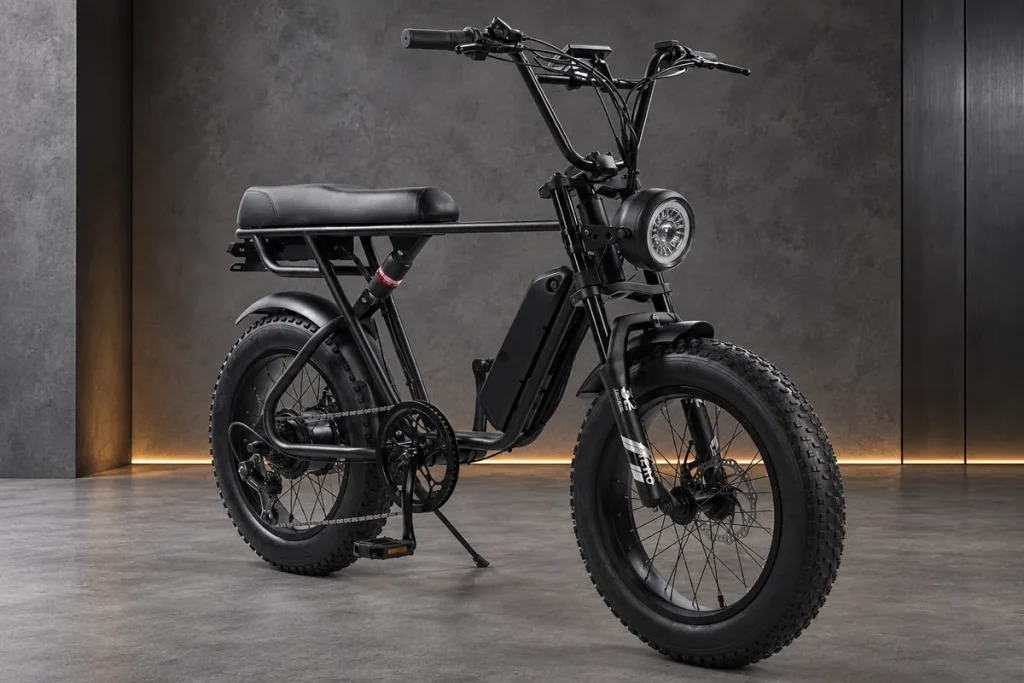
RANGE COMPARISON
Electric Bike Range Figures: How Dealers Compare Supplier Claims
Compare e-bike range claims by battery version, load, operating mode and test conditions. Keep catalogue distances separate from documented sample results.
Read the guide : Electric Bike Range Figures: How Dealers Compare Supplier Claims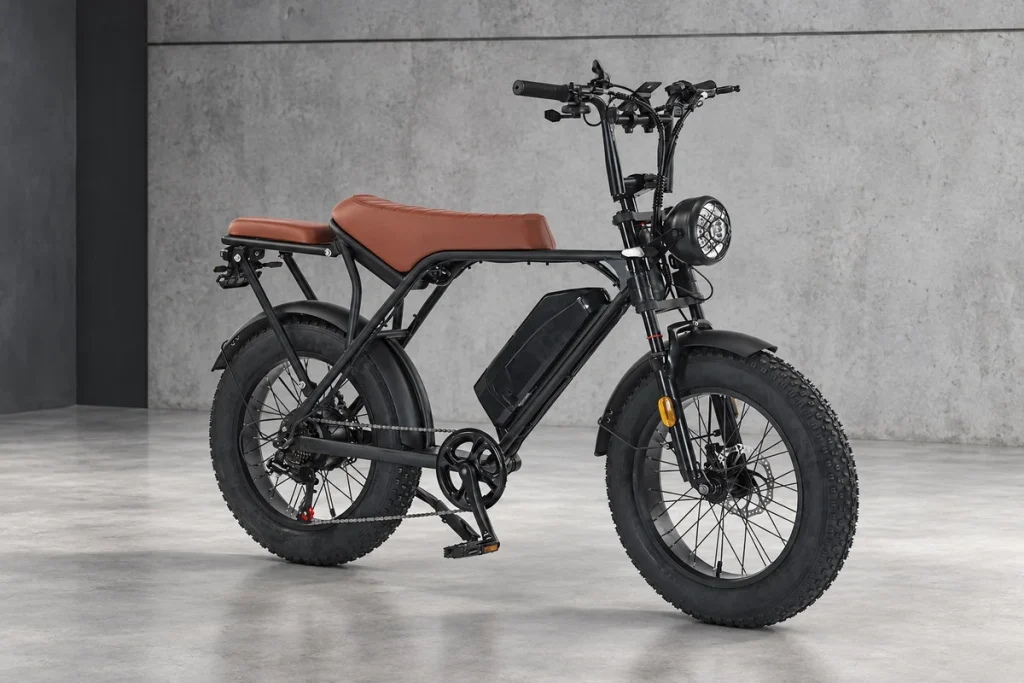
LOAD SPECIFICATIONS
Electric Bike Weight Limits in Supplier Specs: Rider, Payload and Rear Rack Capacity
Separate rider, payload, total system and rear rack limits when evaluating an e-bike. Avoid treating bare weight or a seat photograph as a load rating.
Read the guide : Electric Bike Weight Limits in Supplier Specs: Rider, Payload and Rear Rack Capacity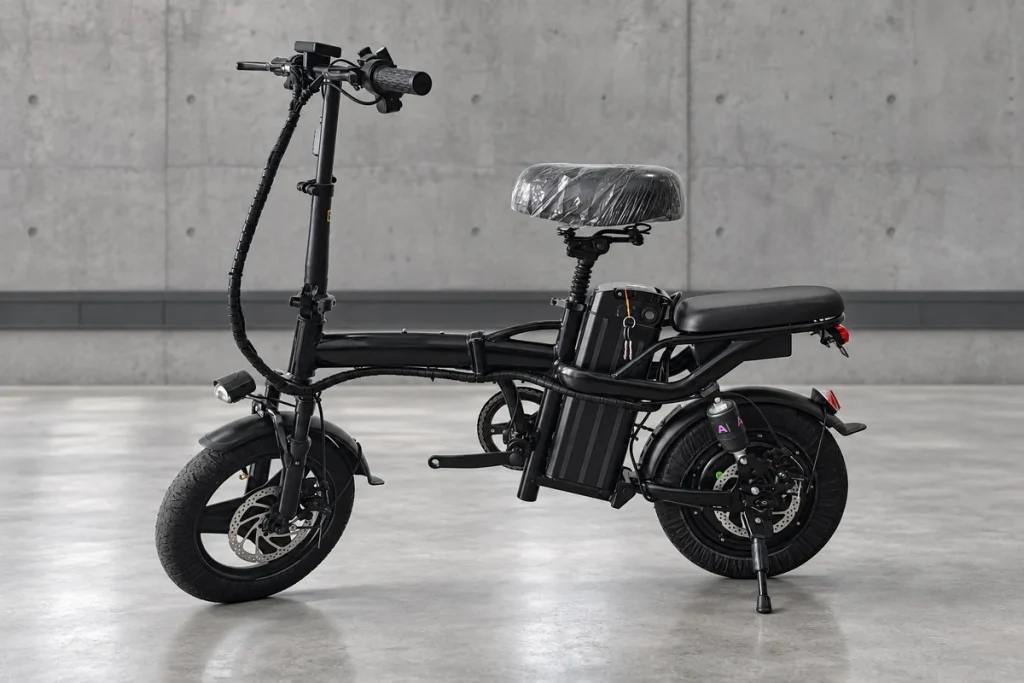
CONFIGURATION REFERENCE
Electric Bike Suspension Specifications: A Buyer Checklist
Read Dolphin configuration differences and distinguish wheel suspension from seat components. A specification checklist for comparing offered assemblies.
Read the guide : Electric Bike Suspension Specifications: A Buyer Checklist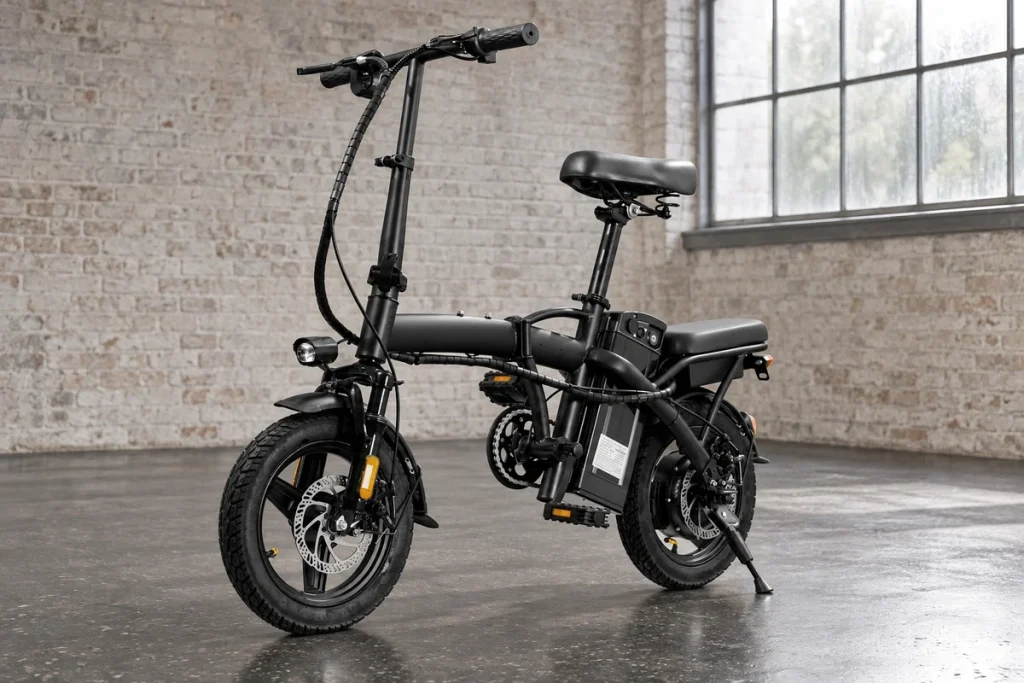
MEASUREMENT CHECKLIST
Folding Electric Bike Dimensions: A Dealer Measurement Checklist
Separate folded vehicle size from carton dimensions. Use Dolphin and Z6 catalogue references to prepare a folding-bike measurement request.
Read the guide : Folding Electric Bike Dimensions: A Dealer Measurement Checklist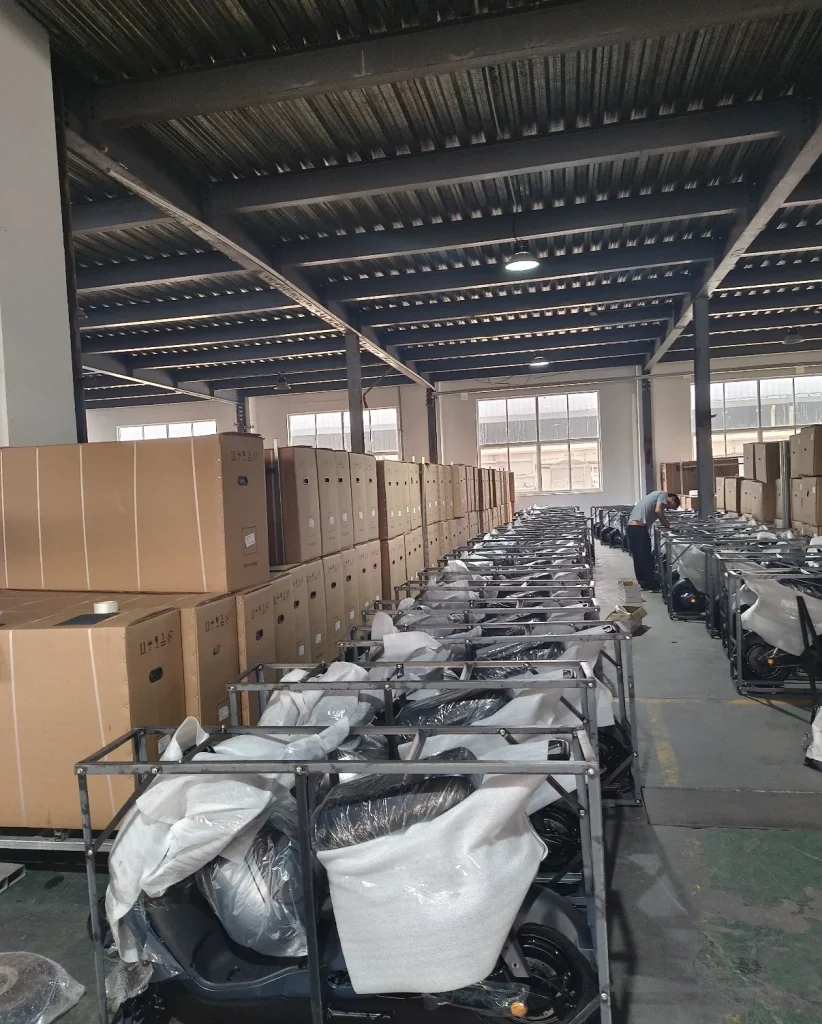
BATTERY DOCUMENTS
UN38.3 Test Summary vs MSDS: Reading E-Bike Battery Documents
Read battery documents more precisely: distinguish an SDS from a UN38.3 test summary and resolve model, cell-versus-pack and multi-model ambiguities before ordering.
Read the guide : UN38.3 Test Summary vs MSDS: Reading E-Bike Battery Documents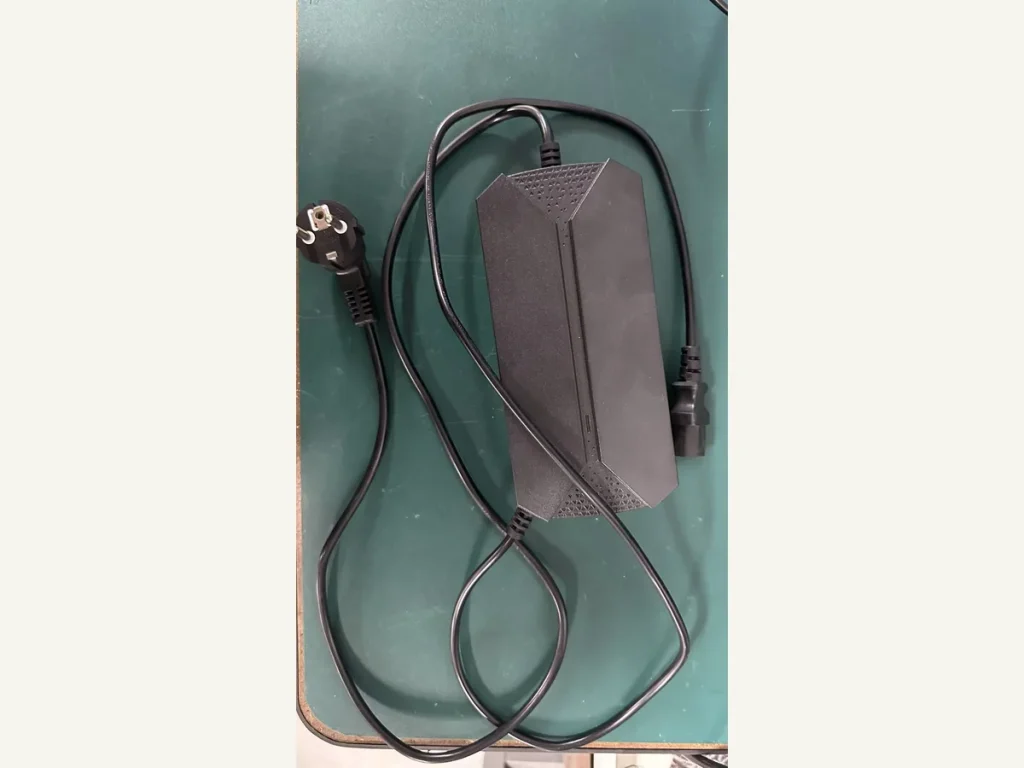
CHARGING TIME
2A vs 4A E-Bike Chargers: Comparing Charging Times in Supplier Specifications
Does doubling charger current halve charging time? A manufacturer example separates partial-charge and full-charge times to help buyers evaluate complete-bike configurations.
Read the guide : 2A vs 4A E-Bike Chargers: Comparing Charging Times in Supplier Specifications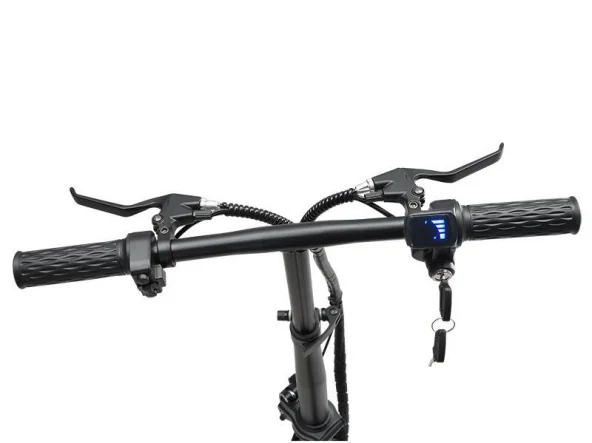
BRAKE CONTROL
E-Bike Brake Cut-Off Sensors: What Buyers Should Check
Hydraulic disc brakes do not, by themselves, document motor cut-off. Learn which brake and control-system details to record before comparing complete e-bikes.
Read the guide : E-Bike Brake Cut-Off Sensors: What Buyers Should Check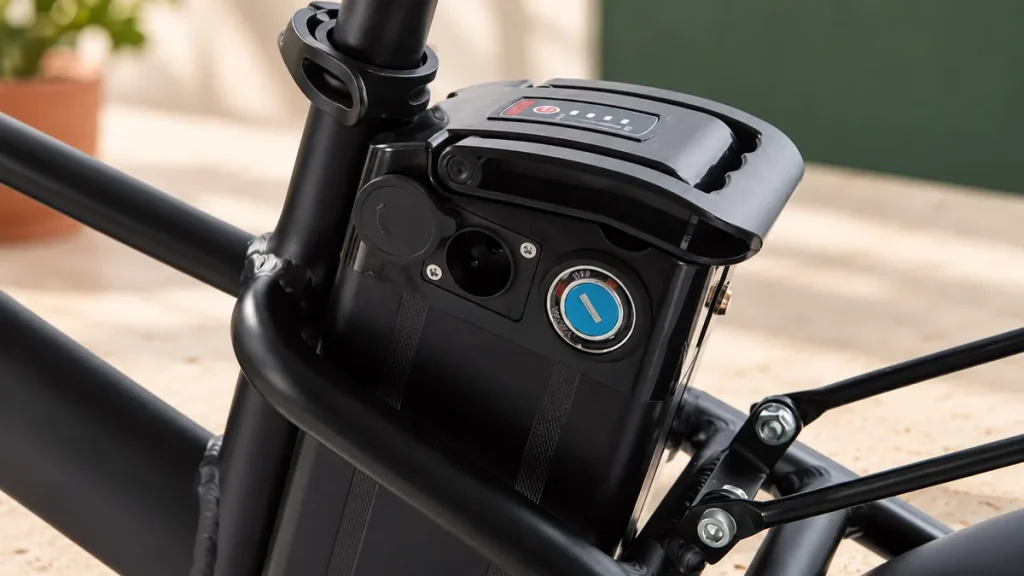
BATTERY STOCK CARE
E-Bike Battery Storage for Dealer Stock: Charge Level, Checks and Winter Storage
Set model-specific battery storage checks for unsold e-bikes. Keep charge readings, instruction sources and follow-up actions linked to each vehicle.
Read the guide : E-Bike Battery Storage for Dealer Stock: Charge Level, Checks and Winter Storage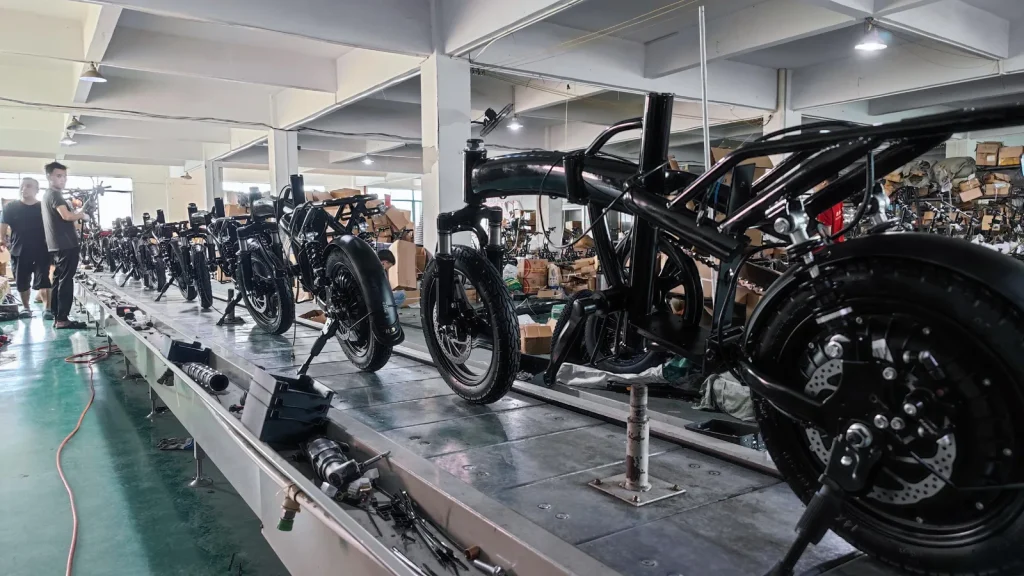
SUPPLY FORMAT PLANNING
CBU vs SKD vs CKD: A Buying Guide for Electric Two-Wheeler Importers
Compare the local work, packing and cost considerations behind CBU, SKD and CKD supply, and choose a format that fits your electric two-wheeler business.
Read the guide : CBU vs SKD vs CKD: A Buying Guide for Electric Two-Wheeler ImportersSTART WITH YOUR RANGE
What matters when choosing each vehicle type?
A useful buying guide starts with how your customers will use the vehicle. Compare the details that affect your range, rather than choosing by appearance alone.
Electric bikes
Start with riding position, frame layout and pedal-assist needs. Then compare the battery configuration, brakes and dimensions of the models on your shortlist.
Key questionDoes this model suit the riders and journeys you want to serve?
Explore electric bikesSeated electric scooters
Look at seat height, foot space, storage and charging access. Similar-looking scooters can have different battery options and equipment, so compare the selected configurations.
Key questionWhich practical features will matter most in your customers’ daily use?
Explore seated scootersElectric motorcycles
Consider riding position, dimensions, braking equipment and the intended use. Check the selected model’s specifications and destination-market requirements before making a purchasing decision.
Key questionIs the proposed configuration suitable for your market and intended application?
Explore electric motorcyclesVehicle names describe the catalogue range; they do not establish a vehicle’s legal classification or road-use approval in your market.
KEEP EXPLORING
From a useful guide to the right product information.
Use these articles to understand vehicle differences. For model details, continue to the relevant catalogue; for purchasing information and tools, visit Buyer Resources.
Explore buyer resources