
When a customer reports an ebike battery not charging, the dealer has to decide what to do before anyone touches the pack: supply a different charger, send a technician, or open a warranty case. This guide sets out the causes behind that symptom, the checks that keep it out of a shipment, and the record a dealer or workshop should build before asking the factory for a replacement.
Short answer: An ebike battery that is not charging can be caused by the charger, the connection, the battery’s temperature or protection state, or the pack itself. Triage in a fixed order: screen for safety signs, identify the battery and charger by their labels, record what the charger light and battery gauge do, then either supply the correct charger or open a battery claim. A plug that fits proves nothing: BG EBIKE’s ZL9 alone lists 48 V, 60 V and 72 V in lead-acid or lithium. We produce and assemble every model in our own factory, and battery and charger pairing for each version is on our inspection list.
Why is an ebike battery not charging?
A battery that will not take charge usually has a cause outside the cells: no power reaching the charger, a plug that is not fully seated, a battery switched off, a pack too hot or too cold for its protection to allow charging, or a charger that does not match the battery. A failing pack is one cause among these, so treat it as the conclusion of the checks. UK government battery-safety guidance (published 1 February 2024) lists “failure to fully charge, or longer charge times” as a possible sign that a lithium battery is failing.
| What the dealer or customer sees | Possible causes to check | Record before deciding |
|---|---|---|
| No light on the charger at all | No mains power at the socket, damaged mains lead, charger fault | Socket tested with another device; charger label photo; visible cable damage |
| Charger light comes on but never changes | Plug not fully seated, dirty or damaged charging port, battery switched off where a switch or key is fitted, protection active | Light colour before and after connecting; port condition from a photo; switch or key position |
| Charging stops soon after starting | Battery too hot after riding or too cold after storage, protection cutting in, pack fault | Time since last ride; storage location and temperature; how long it charged |
| Charges for many hours and never finishes | Charger current lower than expected for the pack, ageing cells, pack fault | Hours on charge against the listed charging time; charger output label |
| Wrong charger in use | Lead-acid charger on a lithium battery or the reverse, or a different voltage | Both labels: battery chemistry and nominal voltage, charger output |
Storage causes some of these cases. A lithium battery left in stock at a very low charge can enter a protection state, and one charged in a cold warehouse may refuse charge until it warms up; see battery storage charge levels for dealer stock. A slow charge is a separate question, since charging time depends on charger current, as the 2A vs 4A charger comparison explains.
Ebike battery not charging but the charger is green: what does it mean?
A green light that stays green after the battery is connected means one of three things: the battery is already full, the charger is not connected to the battery well enough to start, or the battery is not accepting charge. On a charger that shows red while charging and green when idle, green means no charging current is flowing, and the charger cannot tell those three cases apart. Colours and blink patterns differ between designs, so read the light against that charger’s label or manual.
- Battery already full: the vehicle runs normally and the battery gauge shows full. No fault exists; the complaint is about range or expectation.
- No connection: the plug is not fully home, the port is dirty or damaged, or a battery switch is off. The light changing when the plug is reseated points here.
- Battery not accepting charge: the pack’s protection is active because of temperature, deep discharge or a fault, or the charger does not suit the battery. This is the case that needs the label check and, if the charger is correct, a battery case record.
For a service desk, a green light is an observation to record. Do not replace a battery on a green light alone, and do not try a different charger to see whether the light turns red. If the charger is correct and the battery still will not accept charge at room temperature, the case moves to the warranty record below.
Why does a plug that fits not prove the charger is right?
Chargers are built for one battery chemistry and one nominal voltage, and several of those combinations can share the same plug type. A dealer with a mixed range will hold chargers that look alike and are not interchangeable; the wrong one may fail to charge or may be unsafe. The U.S. Consumer Product Safety Commission warned on 5 September 2024 that chargers sold as universal may fit a micromobility product and still be incompatible with it.
The BG EBIKE range shows how quickly the combinations multiply. These figures are as listed on the product pages on 15 November 2026:
| Model | Listed battery | Listed charging time | What the charger record must match |
|---|---|---|---|
| Rainbow 20 Inch Step-Through | 48 V lead-acid | 6–8 hours | 48 V lead-acid charger |
| Free Wind 20 Inch Step-Through | 60 V lead-acid | 6–8 hours | 60 V lead-acid charger |
| 20 Inch Folding Electric Bike | 48 V 10–25 Ah lithium | 5–8 hours | 48 V lithium charger for the chosen capacity |
| ZL9 1000W Seated Electric Scooter | 48 V, 60 V or 72 V, lead-acid or lithium | 6–8 hours | One of six chemistry and voltage pairings |
| V8 2000W Seated Electric Scooter | 48 V, 60 V or 72 V, lead-acid or lithium | 6–8 hours | One of six chemistry and voltage pairings |
Rainbow and Free Wind share a frame style, a 500 W motor and 20 × 2.125 tyres, yet one is 48 V and the other 60 V. ZL9 lists three voltages and two chemistries, up to six combinations for one model name. When a complaint comes in, the battery and charger labels settle which pairing applies; the model name does not. Our charger compatibility checklist sets out the pairing record to keep for each order version, and the lead-acid vs lithium battery guide explains why each chemistry needs charging equipment specified for it.
How do factory checks prevent battery charging complaints?
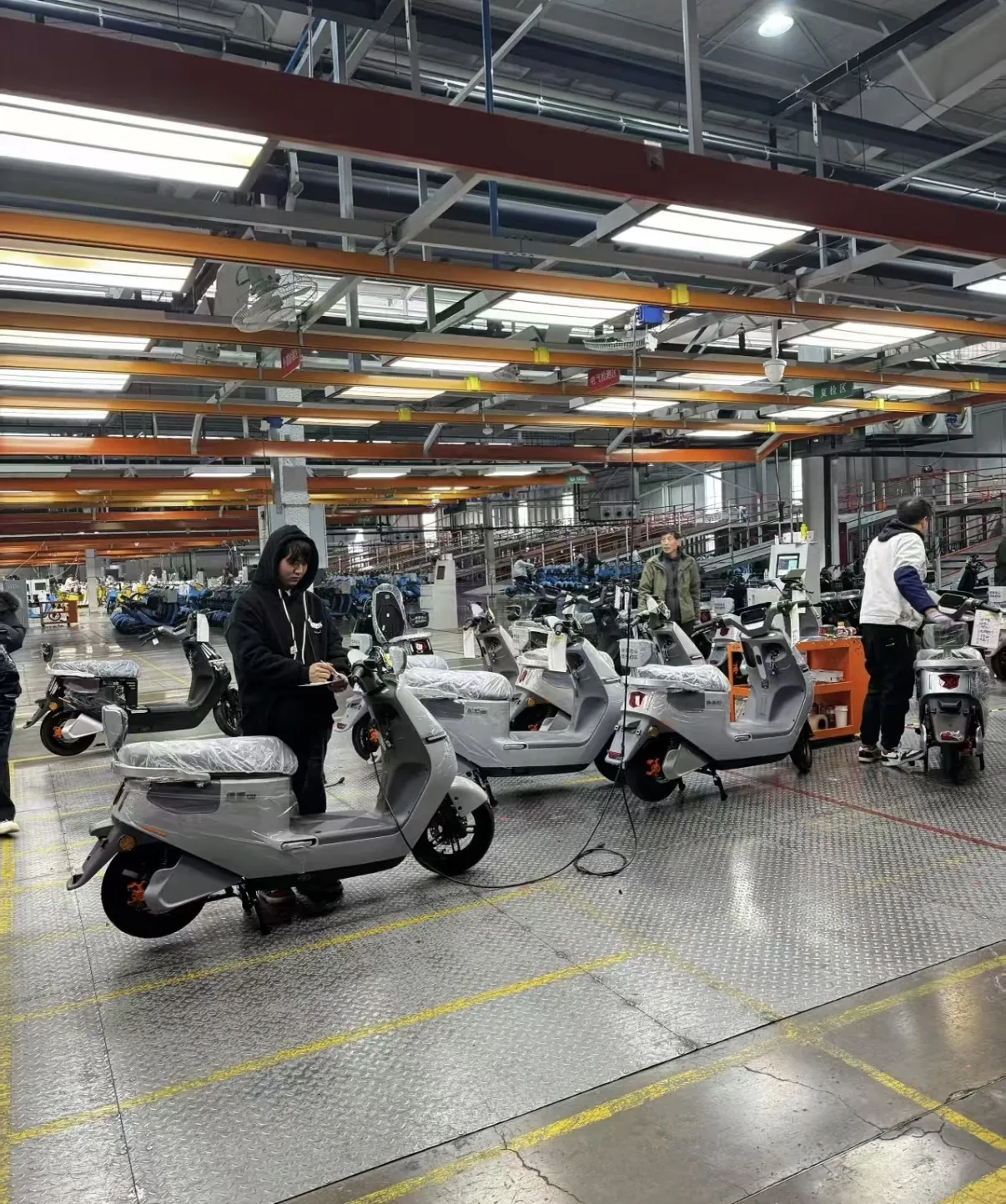
The charging complaint a factory is best placed to prevent is a mismatch: a charger packed with the wrong battery version, or a mains plug that does not suit the destination. Each order version needs one written battery and charger pairing, and inspection compares what is packed against it.
At BG EBIKE, the quotation records the battery version for each model, and vehicles get routine checks during assembly and before packing in our own factory. For the order itself, inspection follows the buyer’s requirements, and battery and charger pairing for each version is one of the items buyers ask us to inspect. Details are on our quality control page.
A buyer who wants charging covered in a pre-shipment inspection can add these lines to the checklist:
- Labels against the order: battery label chemistry and voltage, and charger output label, match the version on the quotation.
- One sample per version: connect the supplied charger to a sample of each battery version and record whether the indicator shows charging.
- Mains side: charger input rating and plug suit the destination market.
- Packing: chargers for different versions are packed with the right vehicles, and the packing list shows which is which.
The pre-shipment inspection checklist covers the rest. On arrival, record the battery charge state of received stock, so a pack that later will not charge can be traced to its storage history.
How should a dealer triage an ebike battery that won’t charge?
Work through the same six steps for every case, in order, and write each result down. The first step can end the diagnosis.
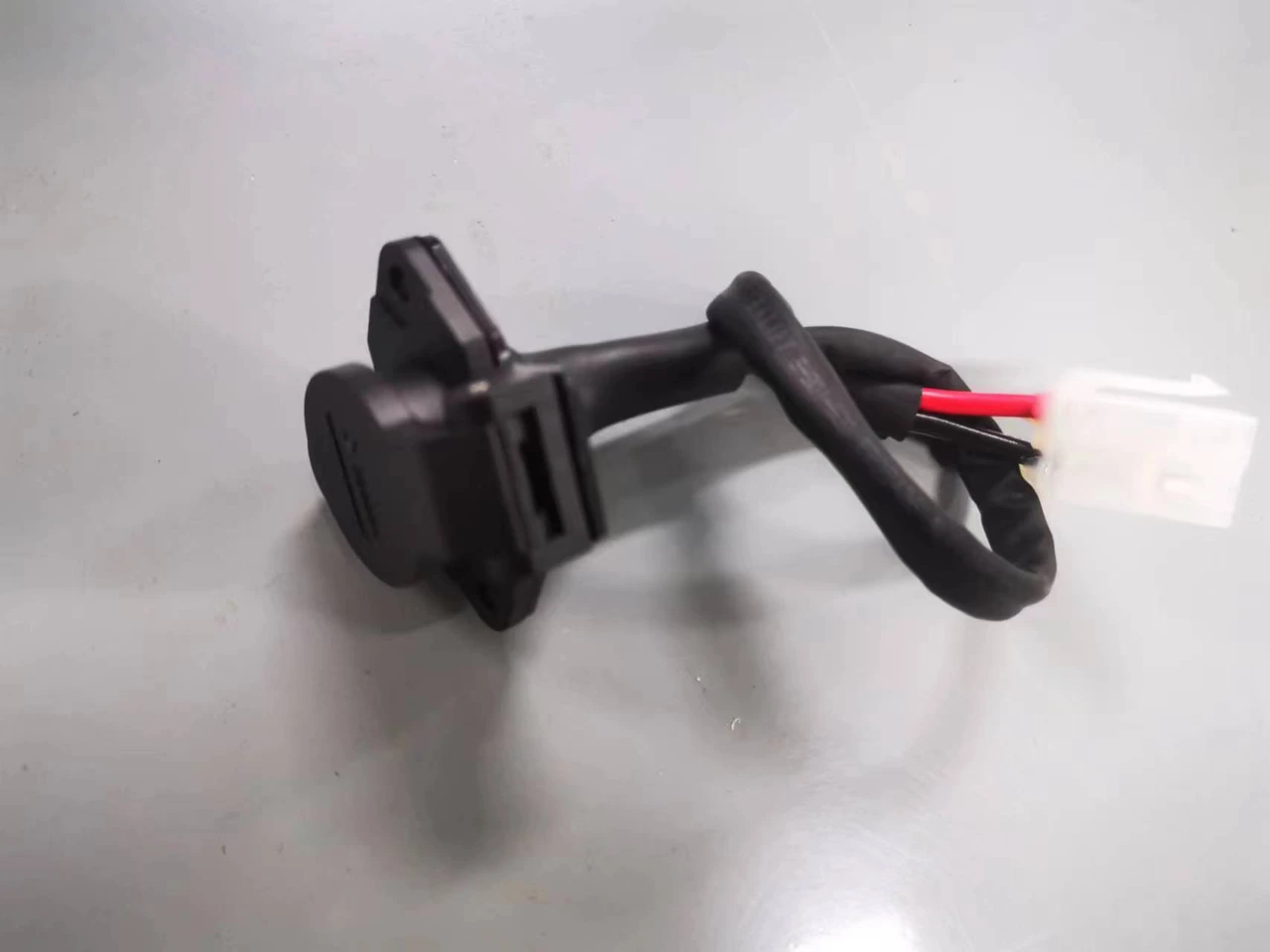
- Safety screen. If the battery is swollen, leaking, cracked, very hot, smells unusual, has been dropped or has been in water, stop charging and using it, and keep it away from flammable materials. If it smokes, leave the area and call emergency services. Do not continue tests on that battery.
- Identify the version. Photograph the battery label and the charger label. Write down the model, frame number, battery chemistry and nominal voltage.
- Confirm the charger. Check that it is the charger supplied with that vehicle, or a replacement approved for that battery version.
- Record the indicators. Note the charger light before and after connecting, whether it ever changes, and what the battery gauge or display shows.
- Record the conditions. Note how long since the last ride, where and how long the vehicle or battery was stored, and the room temperature where charging was tried. GOV.UK advises letting a hot battery cool before charging and avoiding very hot, cold or damp places.
- Look at the connection. With the charger unplugged from the mains, check the plug and charging port for visible dirt, damage or moisture. Look only; do not probe the contacts.
The outcome then falls into one of three paths. If the charger is wrong for the battery, supply the correct approved charger and retest. If safety signs were found, isolate the battery and open a claim with photos. If the correct charger, normal temperature and a clean connection still give no charge, open a battery warranty case with the record below.
What the workshop should not do: open the battery pack, bypass or reset its battery management system, use a different charger to force or “wake” the battery, or warm or freeze the pack to change its state. Each can make a pack unsafe and destroy the evidence a claim depends on. If a customer only needs charging instructions, send the step-by-step charging guide.
What should a battery warranty claim include?
A battery claim should let the factory identify the exact pack and see what was tested without another round of questions. The fields come from the triage steps:
| Field | What to include | Why the factory needs it |
|---|---|---|
| Order and vehicle | Order reference, model, frame number | Links the battery to the version that was shipped |
| Battery label | Clear photo showing chemistry, voltage and capacity | Confirms which battery version is involved |
| Charger label | Clear photo of the output rating and model reference | Shows whether the right charger was used |
| Indicator behaviour | Charger light colour, including a light that stays green, and battery gauge reading; a short video if possible | Separates no connection from a battery refusing charge |
| When it started | Date first noticed, after delivery, storage, a ride or a fall | Points towards storage, use or a pack fault |
| Checks done | Socket tested, charger confirmed, temperature conditions, port condition | Shows the outside causes were ruled out |
| Safety signs | Any swelling, heat, smell, leak or damage, with photos | Decides how the battery is handled and returned |
The full case format is in our warranty claim checklist for dealers. Holding approved chargers for each battery version lets a workshop close wrong-charger cases the same day; the spare parts planning guide covers what to hold, and our electric two-wheeler parts page explains how chargers and lithium batteries are matched by voltage and connector.
If the battery charges and shows full but the vehicle still will not drive, that is a different fault. See electric scooter turns on but won’t move for that checklist.
Models to compare
- Free Wind 20 Inch Step-Through Electric Bike: 500 W, 60 V lead-acid battery, listed charging time 6–8 hours.
- 20 Inch Folding Electric Bike: 500 W, 48 V 10–25 Ah lithium battery, listed charging time 5–8 hours.
- ZL9 1000W Seated Electric Scooter: 48 V, 60 V or 72 V in lead-acid or lithium, listed charging time 6–8 hours.
See the full ranges of wholesale electric bikes and seated electric scooters.
Frequently asked questions
Why is my ebike battery not charging but the charger is green?
A charger light that stays green after connection usually means no charging current is flowing. The battery may be full, the plug may not be seated, or the battery may be refusing charge because of temperature, deep discharge, a fault or a mismatched charger. Check that charger’s light meanings, reseat the plug and record the result before choosing a part.
Can another charger be used to wake up a battery that won’t charge?
No. Use only the charger supplied with the vehicle or a replacement approved for that battery version. Forcing or waking a battery with another charger can damage it or create a fire risk, and it removes the evidence a warranty case needs. If the correct charger will not start at room temperature, record the case and contact the supplier.
Can a lead-acid charger charge a lithium e-bike battery?
No. Lead-acid and lithium batteries need chargers specified for their own chemistry and nominal voltage, even when the plug fits. A wrong charger may not charge the battery, or may charge it unsafely. Compare the battery label with the charger’s output label. On models offered in both chemistries, such as ZL9, the ordered version decides which charger applies.
Is an ebike battery that won’t charge always a warranty replacement?
No. A dead socket, a loose plug, a switched-off battery, temperature protection or the wrong charger can stop charging without any battery fault. Rule those out and record the results. If the correct charger, room temperature and a clean connection still give no charge, send the order reference, label photos, indicator behaviour and start date.
Related guides
- E-bike charger specifications and compatibility: a dealer checklist
- E-bike battery storage for dealer stock
- E-bike warranty documentation for supplier claims
- Electric scooter turns on but won’t move: a fault-finding checklist
At BG EBIKE, we produce and assemble our electric bikes and scooters in our own factory in Taizhou, Zhejiang, China. MSDS and UN38.3 test summary supplied for lithium battery shipments. MOQ is flexible by model, and models can be mixed in one container. To quote battery and charger versions correctly, send the models, quantity per model and colour, battery chemistry and voltage for each, destination and mains plug type, and any spare chargers you want to hold. We reply within 24 hours on working days. Contact Jane at jane@emovemate.com or on WhatsApp at +86 188 6852 5529.
How this guide was prepared: model and battery figures are taken from the Rainbow, Free Wind, 20 Inch Folding, ZL9 and V8 product pages as listed on 15 November 2026, and the inspection items from our quality control page; safety points follow the GOV.UK guidance Battery safety for e-cycle users (published 1 February 2024) and the U.S. CPSC warning on universal chargers (5 September 2024).